Online consultation
Skip to the content
+91-9803914108 (Emergency) / 0161-5080108 (Appointment) cancercare.drbindra@gmail.com
drbindracancerclinicdrbindracancerclinic
  • About Us
    • About Cancer Care Centre
    • About Dr Bindra
    • Our Vision & Values
    • AWARDS & RECONITIONS
    • Privacy policy
    • Terms and Conditions
  • Services
    • Cancer Treatment
      • Breast Cancer Treatment
      • Bile Duct Cancer Treatment
      • Bladder Cancer Treatment
      • Cervical Cancer Treatment
      • Colon Cancer Treatment
      • Kidney Cancer Treatment
      • Gallbladder Cancer Treatment
      • Blood Cancer Treatment
      • Liver Cancer Treatment
      • Lung Cancer Treatment
      • Ovarian Cancer Treatment
      • Oral Cancer
      • Uterine Cancer Treatment
      • Pancreatic Cancer Treatment
      • Stomach Cancer Treatment
      • Throat Cancer Treatment
      • Thyroid cancer Treatment
      • Cancer Immunotherapy Treatment
    • Pediatric Cancer Care Treatment
    • Palliative Cancer Care Treatment
    • Hematologic Disorders
    • Dietetics And Supplementation
    • Best Cancer Doctor In Jammu
    • Best Cancer Doctor In Himachal Pradesh
    • Best Cancer Doctor In Srinagar
  • FAQ’s
  • Home
  • Blog
  • Gallery
    • Conferences
    • Workshops
    • Cases Series
    • Videos
  • Contact Us

Blog

Home  »  Cancer Care • homeopathy
  • About Us
    • About Cancer Care Centre
    • About Dr Bindra
    • Our Vision & Values
    • AWARDS & RECONITIONS
    • Privacy policy
    • Terms and Conditions
  • Services
    • Cancer Treatment
      • Breast Cancer Treatment
      • Bile Duct Cancer Treatment
      • Bladder Cancer Treatment
      • Cervical Cancer Treatment
      • Colon Cancer Treatment
      • Kidney Cancer Treatment
      • Gallbladder Cancer Treatment
      • Blood Cancer Treatment
      • Liver Cancer Treatment
      • Lung Cancer Treatment
      • Ovarian Cancer Treatment
      • Oral Cancer
      • Uterine Cancer Treatment
      • Pancreatic Cancer Treatment
      • Stomach Cancer Treatment
      • Throat Cancer Treatment
      • Thyroid cancer Treatment
      • Cancer Immunotherapy Treatment
    • Pediatric Cancer Care Treatment
    • Palliative Cancer Care Treatment
    • Hematologic Disorders
    • Dietetics And Supplementation
    • Best Cancer Doctor In Jammu
    • Best Cancer Doctor In Himachal Pradesh
    • Best Cancer Doctor In Srinagar
  • FAQ’s
  • Home
  • Blog
  • Gallery
    • Conferences
    • Workshops
    • Cases Series
    • Videos
  • Contact Us

Category: homeopathy

Categories
Cancer Care homeopathy

Cancer Biopsy: Types, Procedure, Results and Common Questions

    August 19, 2026 232 Views

When a scan shows a suspicious lump or abnormality, many patients ask an important question: “If doctors can already see the tumour on CT, MRI or PET scan, why is a biopsy still needed?”

The reason is that imaging can show where an abnormality is located and how it behaves, but tissue examination is often required to determine exactly what the abnormal cells are.

What Is a Biopsy?

A biopsy is a medical procedure in which a sample of cells or tissue is removed from the body and examined by a pathologist.

The tissue may be studied under a microscope and may undergo additional laboratory tests to identify the exact disease.

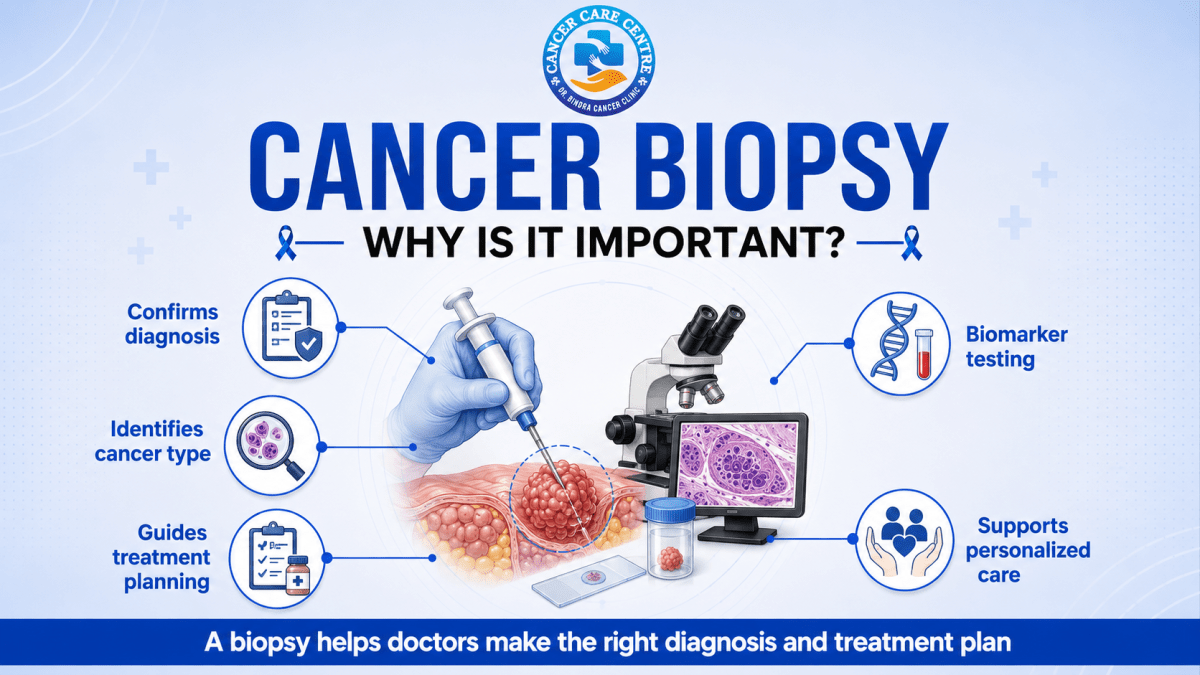
Why Is a Biopsy Important in Cancer?

A biopsy can help answer important questions such as:

  • Is the abnormality actually cancer?
  • What type of cancer is present?
  • What is the tumour subtype?
  • How abnormal or aggressive do the cells appear?
  • Are particular biomarkers present?
  • Which treatments may be appropriate?

Why Is Imaging Alone Sometimes Not Enough?

CT, MRI, ultrasound and PET scans can identify suspicious areas, but some infections, inflammatory conditions and benign growths can resemble cancer on imaging.

Pathology provides direct information about the cells or tissues involved.

What Are the Different Types of Cancer Biopsy?

Fine Needle Aspiration

Fine Needle Aspiration, or FNA, uses a thin needle to collect cells or fluid from a suspicious area.

Core Needle Biopsy

A core needle biopsy removes small cylinders of tissue. It often provides more information about tissue architecture than fine needle aspiration.

Endoscopic Biopsy

A biopsy may be obtained during an endoscopy, such as:

  • Gastroscopy
  • Colonoscopy
  • Bronchoscopy

Incisional Biopsy

During an incisional biopsy, only part of a suspicious mass is removed for testing.

Excisional Biopsy

An excisional biopsy removes the entire suspicious abnormality in selected situations.

Bone Marrow Biopsy

Bone marrow biopsy may be performed when doctors are investigating blood cancers or disorders involving the bone marrow.

What Happens to the Biopsy Sample?

After collection, the tissue is sent to a pathology laboratory.

A pathologist examines the sample and may perform additional tests such as:

  • Special stains
  • Immunohistochemistry
  • Hormone receptor testing
  • HER2 testing
  • Molecular testing
  • Genetic or biomarker testing

What Information Can a Cancer Pathology Report Contain?

Depending on the cancer, the report may include:

  • Exact diagnosis
  • Histological type
  • Tumour grade
  • Margins after surgery
  • Lymph-node findings
  • Immunohistochemistry results
  • Hormone receptors
  • HER2 status
  • PD-L1 status
  • Mismatch-repair proteins
  • Other molecular biomarkers

Not every patient requires every test.

Can a Biopsy Cause Cancer to Spread?

This is one of the most common concerns patients have before undergoing biopsy.

For the vast majority of cancers, appropriately performed needle or surgical biopsy is an established diagnostic procedure and does not generally cause cancer to spread throughout the body.

There are certain specific tumours where the route and method of biopsy must be carefully planned. This is why biopsy should be performed according to specialist advice rather than through an inappropriate or unplanned procedure.

Can a Biopsy Result Be Inconclusive?

Yes. Occasionally, the sample may not provide enough information to establish a diagnosis.

Reasons may include:

  • Insufficient tissue
  • The needle missing the most representative part of the lesion
  • Sampling mainly dead or damaged tissue
  • The lesion being difficult to access
  • Additional specialised tests being required

A repeat biopsy may then be advised.

What Is a Liquid Biopsy?

A liquid biopsy usually involves analysing blood for tumour cells, tumour DNA or other cancer-related material.

In selected cancers, liquid biopsy can provide useful information for molecular testing or treatment planning.

However, it does not universally replace a traditional tissue biopsy.

What Should You Ask Before Having a Biopsy?

Useful questions include:

  • What type of biopsy is recommended?
  • Why has this particular method been chosen?
  • Do I need to stop any blood-thinning medicines?
  • Will local anaesthesia or sedation be used?
  • How long will the procedure take?
  • When should the pathology result be available?
  • Will enough tissue be collected for biomarker testing?
  • What symptoms should I watch for after the biopsy?

Is Biopsy Always Required Before Cancer Treatment?

In many cancers, obtaining tissue confirmation before starting treatment is extremely important.

However, there are specific clinical circumstances where doctors may make decisions differently. The requirement for biopsy therefore depends on the cancer type, location, imaging findings and overall clinical situation.

Conclusion

A biopsy does much more than answer whether cancer is present.

Modern pathology can reveal the exact cancer type and important biological characteristics that may influence surgery, chemotherapy, targeted therapy, hormone therapy, immunotherapy and other treatment decisions.

A properly planned biopsy is therefore one of the most important steps in developing an individualised cancer treatment strategy.

This article is intended for educational purposes and does not replace personalised medical advice.
Categories
Cancer Care homeopathy

Ovarian Cancer: Symptoms, Diagnosis and Treatment

    August 17, 2026 228 Views

Ovarian cancer develops when abnormal cells involving the ovary begin growing uncontrollably.

The disease can sometimes be difficult to recognise early because initial symptoms may resemble common digestive or urinary problems.

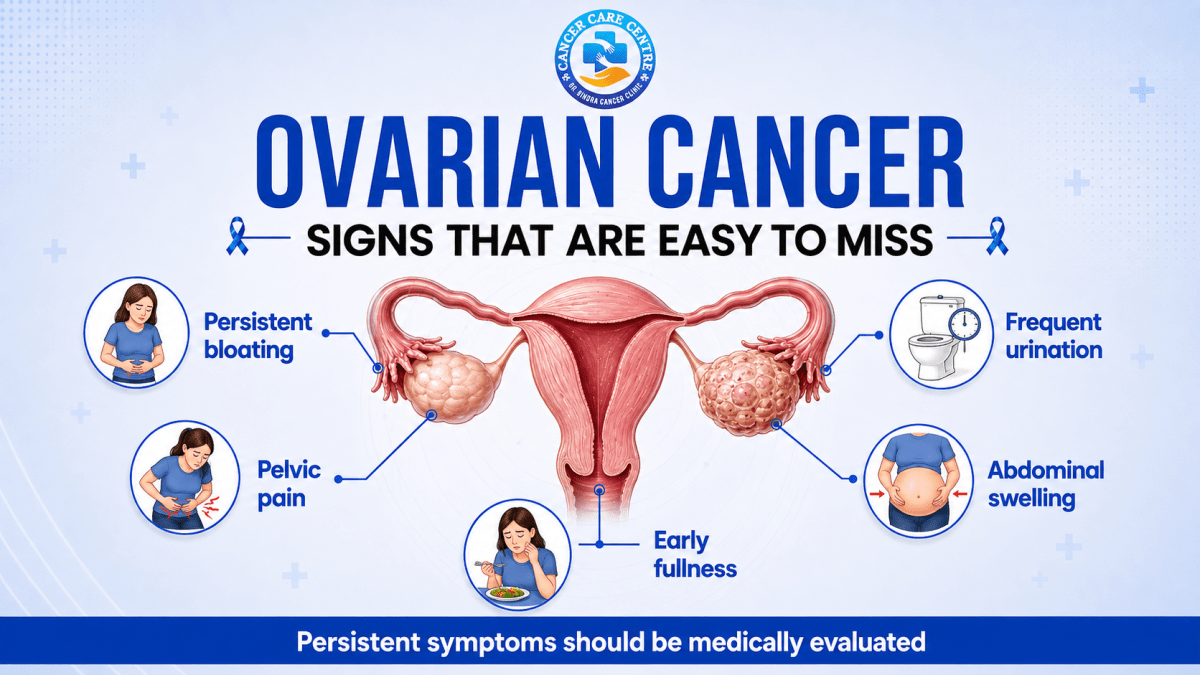
What Are the Symptoms of Ovarian Cancer?

Possible symptoms include:

  • Persistent abdominal bloating
  • Increasing abdominal size
  • Pelvic or abdominal discomfort
  • Feeling full quickly while eating
  • Difficulty eating normal-sized meals
  • Changes in bowel habits
  • Urinary urgency or frequency
  • Unexplained weight changes
  • Persistent fatigue in some patients

When Should Bloating Be Investigated?

Occasional bloating is extremely common and is usually not related to cancer.

However, symptoms that are new, persistent, frequent or progressively worsening should be discussed with a healthcare professional.

Are All Ovarian Cancers the Same?

No. Several different types of cancer can develop in the ovaries.

Major categories include:

  • Epithelial ovarian cancers
  • Germ-cell tumours
  • Stromal tumours

Epithelial ovarian cancer is the most common category in adults.

How Is Ovarian Cancer Diagnosed?

Evaluation may include:

  • Medical history
  • Pelvic examination
  • Ultrasound
  • CT scan or other imaging
  • Blood investigations
  • Selected tumour markers
  • Pathology examination

Does a High CA-125 Level Mean Ovarian Cancer?

No. CA-125 is a tumour marker that can be elevated in ovarian cancer, but it can also rise in several non-cancerous conditions.

It should not be interpreted on its own as proof of cancer.

What Is the Role of Genetics in Ovarian Cancer?

Inherited gene changes can contribute to some ovarian cancers.

BRCA1 and BRCA2 are among the better-known genes associated with hereditary ovarian and breast cancer risk.

Genetic or molecular testing can sometimes provide information relevant both to family risk and treatment selection.

How Is Ovarian Cancer Treated?

Surgery

Surgery plays an important role in ovarian cancer treatment.

For more extensive disease, surgeons may perform cytoreductive or debulking surgery with the aim of safely removing as much visible cancer as possible.

Chemotherapy

Chemotherapy is commonly used as part of ovarian cancer treatment.

Depending on the situation, it may be given after surgery or before surgery.

Targeted Therapy

Some patients may benefit from targeted medicines based on tumour characteristics, genetic findings and previous treatment.

Is There a Routine Ovarian Cancer Screening Test?

There is currently no simple standard screening test recommended for all average-risk women that reliably identifies ovarian cancer at an early stage.

Women with a strong family history or known inherited cancer-risk gene may need individualised specialist advice.

Does Every Ovarian Cyst Mean Cancer?

No. Ovarian cysts are common and many are benign.

Doctors consider factors such as:

  • Age
  • Menopausal status
  • Appearance of the cyst on ultrasound
  • Size
  • Symptoms
  • Changes over time

Conclusion

Ovarian cancer symptoms can be subtle. The key is not to panic about every episode of bloating but to pay attention to persistent or unexplained changes.

New, frequent bloating, early fullness, pelvic discomfort or unexplained abdominal enlargement should be medically evaluated rather than repeatedly self-treated.

This article is intended for educational purposes only and does not replace personalised medical assessment.


Categories
Cancer Care homeopathy

Cervical Cancer: Symptoms, HPV, Screening and Treatment

    August 13, 2026 189 Views

Cervical cancer develops in the cells of the cervix, the lower part of the uterus that connects to the vagina.

One of the most important facts about cervical cancer is that most cases are associated with persistent infection by certain high-risk types of Human Papillomavirus, commonly called HPV.

What Causes Cervical Cancer?

Persistent infection with high-risk HPV types is the main cause of cervical cancer.

HPV is extremely common, and most infections disappear naturally without causing cancer. The main concern arises when a high-risk HPV infection persists for many years and causes abnormal changes in cervical cells.

What Are Precancerous Cervical Changes?

Before invasive cervical cancer develops, abnormal cells may develop on the surface of the cervix.

These precancerous changes can often be detected through cervical screening and treated before they progress into invasive cancer.

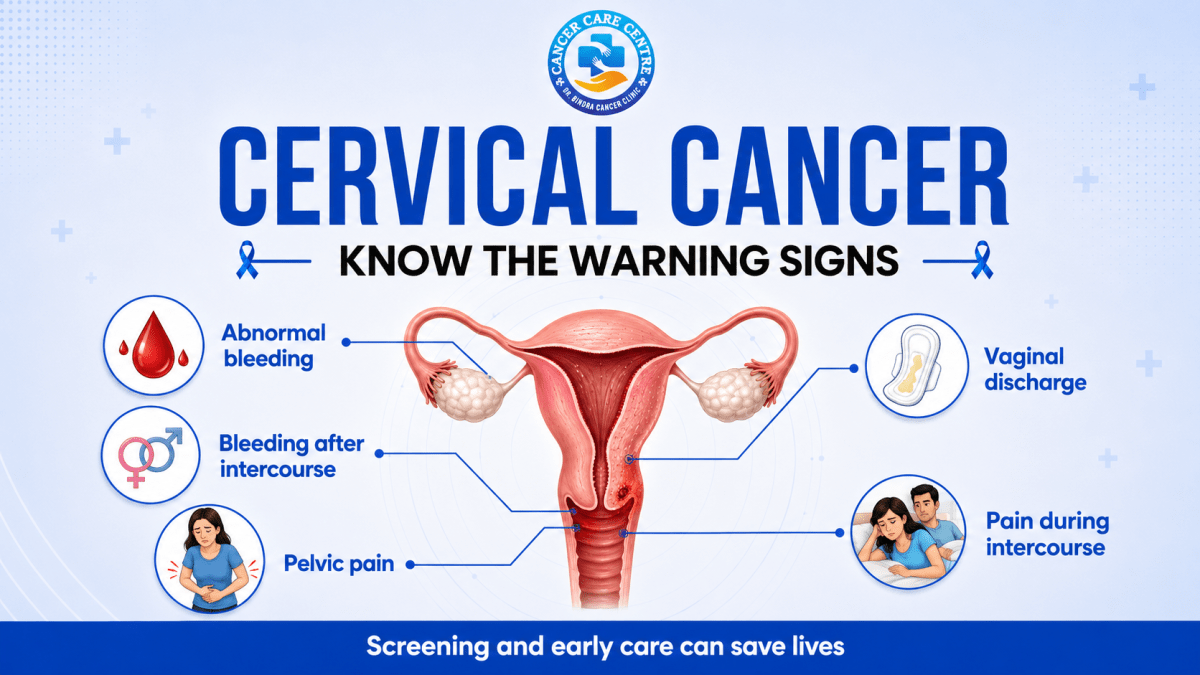
What Are the Symptoms of Cervical Cancer?

Early cervical cancer may cause no symptoms.

Possible warning signs include:

  • Bleeding after sexual intercourse
  • Bleeding between menstrual periods
  • Bleeding after menopause
  • Unusual vaginal discharge
  • Pelvic pain
  • Pain during sexual intercourse

What Is the Difference Between a Pap Test and HPV Test?

Pap Test

A Pap test examines cervical cells to look for abnormal cellular changes.

HPV Test

An HPV test looks for infection with high-risk HPV types associated with cervical cancer.

The recommended screening method and interval depend on factors such as age, previous results and local medical guidelines.

Does an Abnormal Pap Test Mean Cancer?

No. An abnormal screening result does not automatically mean that cervical cancer is present.

Many abnormal results are related to precancerous cellular changes or HPV infection that can be monitored or treated before cancer develops.

How Is Cervical Cancer Diagnosed?

If screening or symptoms raise concern, additional evaluation may include:

  • Pelvic examination
  • Colposcopy
  • Cervical biopsy
  • Imaging tests after cancer has been confirmed

How Is Cervical Cancer Treated?

Treatment depends mainly on the stage of the disease.

Early-Stage Cervical Cancer

Very early cancers may sometimes be treated with limited procedures, while other early-stage cancers may require surgery.

Locally Advanced Cervical Cancer

A combination of radiation therapy and chemotherapy is commonly used for locally advanced cervical cancer.

Brachytherapy, in which radiation is delivered close to the tumour, is also an important part of treatment for many patients.

Advanced or Recurrent Cervical Cancer

Treatment may involve chemotherapy, targeted therapies, immunotherapy, radiation or combinations of these treatments.

Can Cervical Cancer Be Prevented?

The risk of cervical cancer can be significantly reduced through:

  • HPV vaccination
  • Regular cervical screening according to recommended guidelines
  • Appropriate follow-up of abnormal screening results
  • Treatment of precancerous changes
  • Avoiding tobacco exposure

Does HPV Infection Mean Someone Has Cancer?

No. HPV infection is common and does not mean that a person has cervical cancer.

Most HPV infections disappear naturally. Persistent infection with certain high-risk types is the main concern.

Conclusion

Cervical cancer is one of the cancers where prevention and early detection can make a major difference.

HPV vaccination, appropriate screening and timely evaluation of abnormal bleeding can help identify problems before they progress.

This article is intended for general educational purposes and does not replace personalised medical advice.

Categories
Cancer Care homeopathy

Multiple Myeloma: Symptoms, Diagnosis and Treatment

    August 11, 2026 192 Views

Multiple myeloma is a type of blood cancer that develops from plasma cells in the bone marrow.

Because the disease can affect bones, kidneys, blood counts and the immune system, its symptoms can appear very different from one patient to another.

What Are Plasma Cells?

Plasma cells are part of the immune system. Their normal role is to produce antibodies that help the body fight infection.

In multiple myeloma, abnormal plasma cells multiply excessively and may produce an abnormal protein known as monoclonal protein or M-protein.

What Are the Symptoms of Multiple Myeloma?

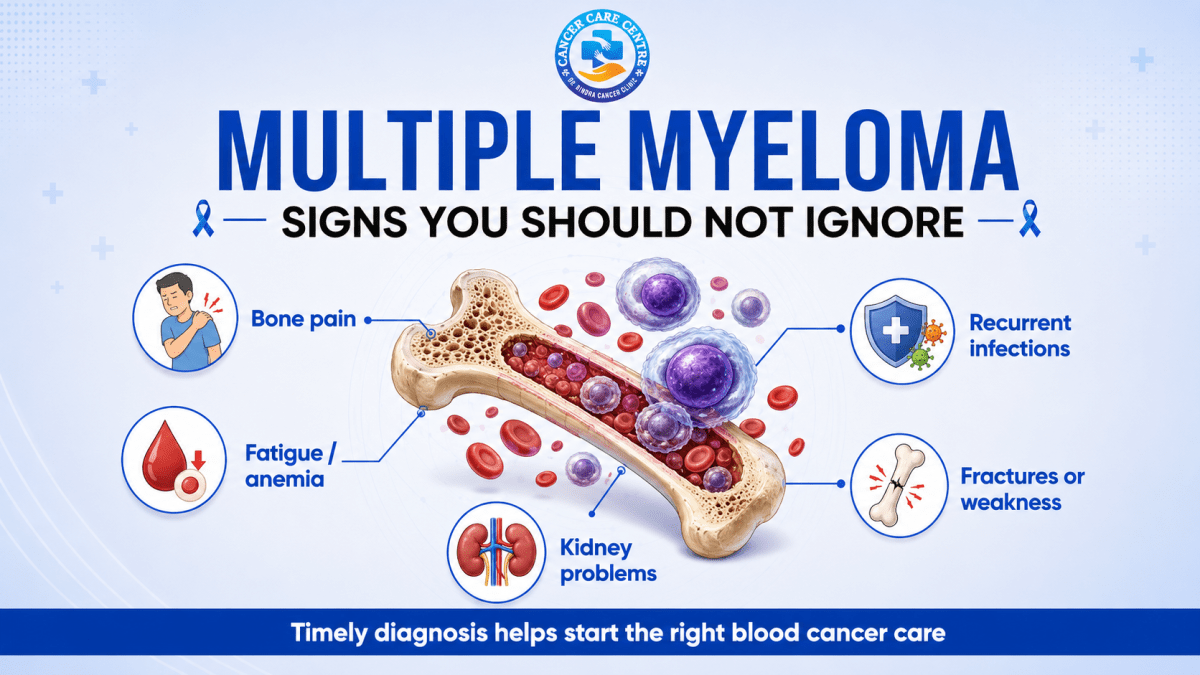
Possible symptoms include:

  • Persistent back or bone pain
  • Bone fractures
  • Fatigue
  • Anaemia
  • Repeated infections
  • Kidney problems
  • High calcium levels
  • Weakness
  • Easy bruising or bleeding in some patients

What Does CRAB Mean in Multiple Myeloma?

The term CRAB is commonly used to remember some of the important organ-related problems associated with active myeloma.

  • C – Calcium: High calcium levels
  • R – Renal: Kidney impairment
  • A – Anaemia: Reduced red blood cells
  • B – Bone: Bone lesions or damage

Doctors now use additional diagnostic criteria as well, so CRAB features are only part of the complete assessment.

How Is Multiple Myeloma Diagnosed?

Investigations may include:

  • Complete blood count
  • Kidney-function tests
  • Blood calcium measurement
  • Serum protein electrophoresis
  • Immunofixation
  • Serum free light-chain tests
  • Urine tests
  • Bone marrow aspiration or biopsy
  • CT, MRI or PET-CT

What Is M-Protein?

M-protein is an abnormal monoclonal protein produced by abnormal plasma cells in many patients with myeloma.

The amount and type of this protein can provide important diagnostic and monitoring information.

What Is MGUS?

Monoclonal Gammopathy of Undetermined Significance, or MGUS, is a condition in which an abnormal monoclonal protein is present without the features required for active multiple myeloma.

MGUS usually does not require immediate cancer treatment but does require appropriate medical monitoring.

What Is Smouldering Multiple Myeloma?

Smouldering myeloma is an intermediate condition in which abnormal plasma-cell activity is higher than in MGUS but the patient does not yet have the defining features of active myeloma requiring treatment.

Regular monitoring is important because progression risk varies between patients.

How Is Multiple Myeloma Treated?

Treatment may include combinations of several types of medicines, such as:

  • Proteasome inhibitors
  • Immunomodulatory medicines
  • Monoclonal antibodies
  • Corticosteroids
  • Other targeted therapies
  • Newer immune-based treatments

The exact treatment combination depends on age, overall fitness, kidney function, disease characteristics and previous treatments.

What Is the Role of Stem Cell Transplant?

Selected patients may undergo an autologous stem cell transplant.

The patient’s own stem cells are collected and stored. High-dose treatment is then given, after which the stem cells are returned to help restore blood-cell production.

Can Multiple Myeloma Be Completely Cured?

Multiple myeloma is generally considered a treatable but currently not reliably curable disease with standard therapy.

However, modern treatment can produce deep and prolonged responses, and many patients are able to live with the disease under long-term medical management.

Conclusion

Multiple myeloma can affect several parts of the body and may initially present as bone pain, anaemia, kidney dysfunction or abnormal blood proteins.

Diagnosis and treatment should therefore be planned by a haematology or oncology team experienced in plasma-cell disorders.

This content is intended for general patient education and does not replace medical advice.


Categories
Cancer Care homeopathy

Breast Cancer: Symptoms, Diagnosis, Types and Treatment

    August 9, 2026 153 Views

Breast cancer develops when abnormal cells in breast tissue begin growing uncontrollably. Although the term “breast cancer” sounds like one diagnosis, there are several different biological types of breast cancer.

Understanding the exact tumour type is extremely important because modern treatment depends on much more than the size of a breast lump.

What Are the Possible Symptoms of Breast Cancer?

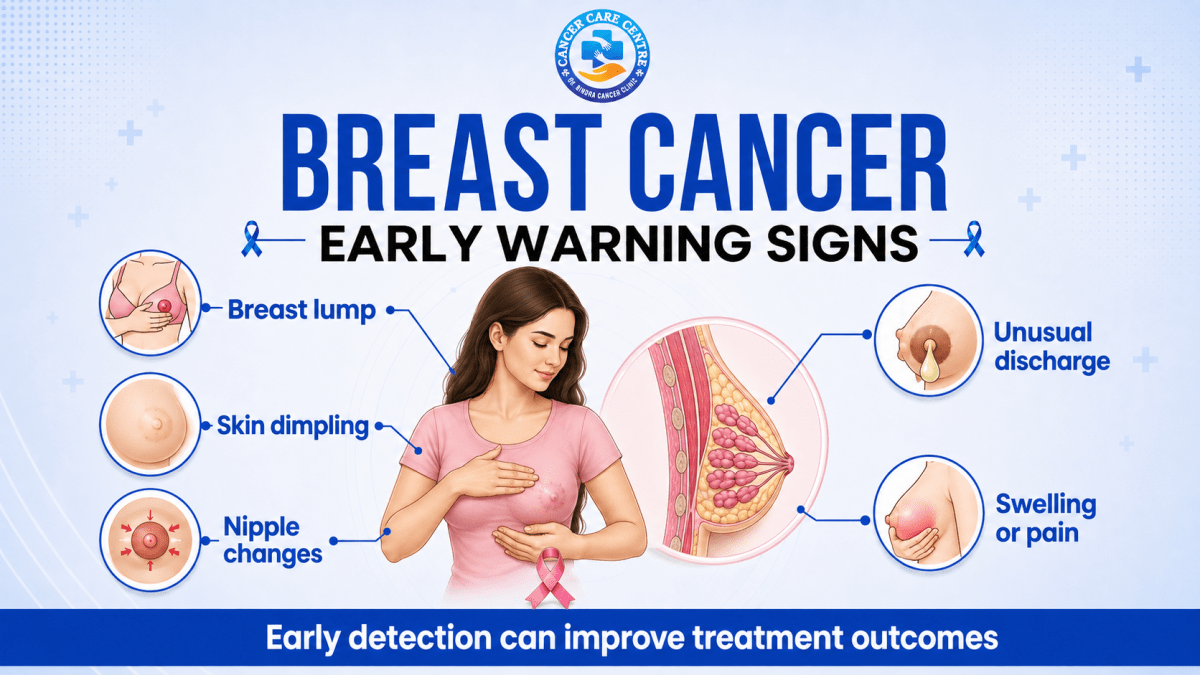
Possible breast changes that should be medically evaluated include:

  • A new lump in the breast or underarm
  • Change in breast size or shape
  • Skin dimpling or thickening
  • New nipple inversion
  • Unexplained nipple discharge
  • Persistent nipple or breast changes
  • Swelling involving part or all of the breast

Many breast lumps are benign, but new or persistent breast changes should not be ignored.

How Is Breast Cancer Diagnosed?

Evaluation may involve:

  • Clinical breast examination
  • Mammography
  • Breast ultrasound
  • MRI in selected cases
  • Biopsy

A biopsy allows a pathologist to examine tissue and establish whether cancer is present.

Why Is the Pathology Report So Important?

A breast cancer pathology report provides important information about the biological characteristics of the tumour.

It may include:

  • Histological type
  • Tumour grade
  • Estrogen receptor status
  • Progesterone receptor status
  • HER2 status
  • Other biomarkers when required

What Are ER and PR in Breast Cancer?

ER stands for estrogen receptor and PR stands for progesterone receptor.

If breast cancer cells contain these hormone receptors, the tumour may depend partly on hormones for its growth. Hormonal or endocrine treatments may therefore be helpful.

What Is HER2-Positive Breast Cancer?

HER2 is a protein involved in cell growth.

Some breast cancers produce an excessive amount of HER2. These cancers may respond to medicines specifically designed to target HER2.

What Is Triple-Negative Breast Cancer?

Triple-negative breast cancer does not have significant estrogen receptors, progesterone receptors or HER2 expression.

Because these common treatment targets are absent, treatment strategies differ from those used for hormone-receptor-positive or HER2-positive breast cancers.

How Is Breast Cancer Staged?

Breast cancer staging considers several factors, including:

  • Size of the breast tumour
  • Involvement of nearby lymph nodes
  • Whether cancer has spread to distant organs
  • Certain biological characteristics of the tumour

What Are the Main Treatment Options?

Breast-Conserving Surgery

Breast-conserving surgery removes the tumour along with a margin of healthy surrounding tissue while preserving most of the breast.

Mastectomy

Mastectomy involves removal of the breast and may be recommended in certain situations.

Radiation Therapy

Radiation is commonly recommended after breast-conserving surgery and may also be required after mastectomy in selected patients.

Chemotherapy

Chemotherapy may be given before or after surgery depending on the stage and biology of the cancer.

Hormone Therapy

Hormone therapy can be effective for hormone-receptor-positive breast cancer.

HER2-Targeted Treatment

HER2-positive tumours may respond to medicines specifically directed against HER2.

Immunotherapy and Other Targeted Treatments

Selected patients may benefit from immunotherapy or other targeted treatments depending on tumour subtype and biomarkers.

Is Mastectomy Always Better Than Breast-Conserving Surgery?

No. Removing more breast tissue does not automatically mean better cancer control.

For appropriately selected patients, breast-conserving surgery combined with other indicated treatments is an established treatment strategy.

When Is Genetic Testing Considered?

Genetic counselling and testing may be recommended when there is concern about an inherited cancer predisposition.

Factors may include:

  • Young age at diagnosis
  • Strong family history
  • Multiple relatives with breast or ovarian cancer
  • Certain tumour subtypes
  • Cancer affecting both breasts

Conclusion

Breast cancer is not one single disease. Stage, pathology, hormone receptors, HER2 status, other biomarkers and the patient’s overall health all contribute to treatment planning.

Patients should therefore discuss their complete pathology report with their cancer specialist rather than focusing only on tumour size.

This article is intended for educational purposes and does not replace personalised medical consultation.


Categories
Cancer Care homeopathy

Bone Marrow Transplant in Blood Cancers: What Patients Should Know

    August 3, 2026 143 Views

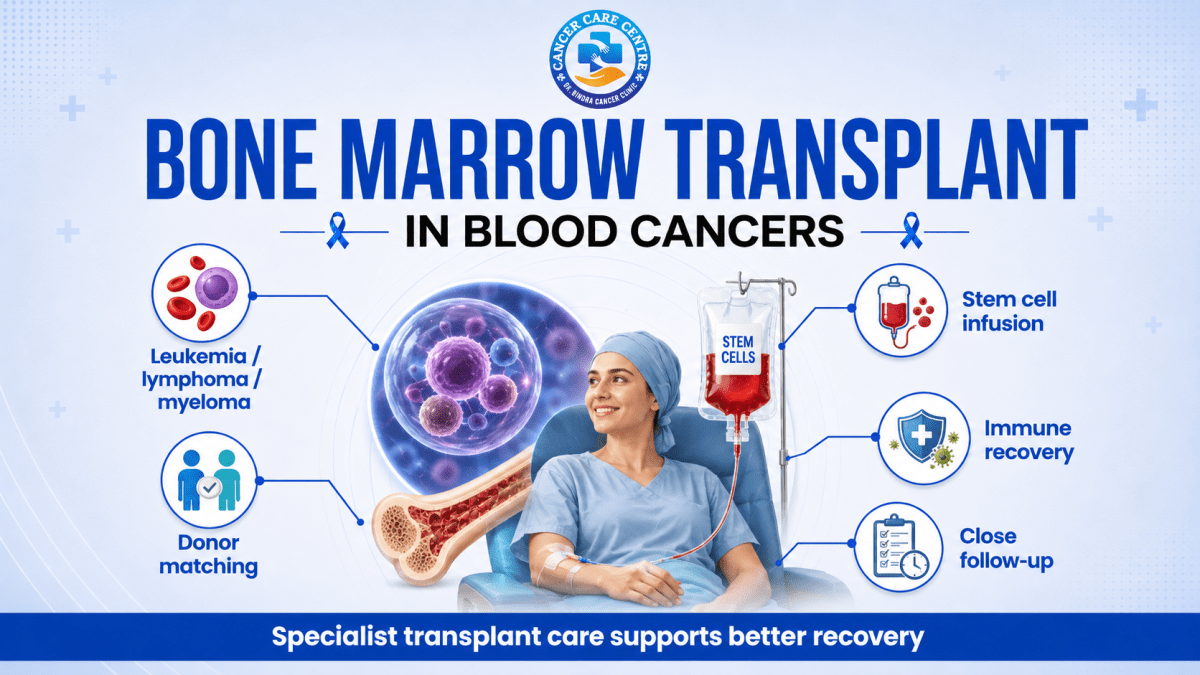
Bone marrow transplant is an important treatment option for selected patients with certain blood cancers. However, not every patient with leukaemia, lymphoma or multiple myeloma requires a transplant.

The decision depends on the exact disease, its risk category, response to previous treatment, patient’s age, overall health and several other factors.

What Is a Bone Marrow Transplant?

The term bone marrow transplant is commonly used, although the broader medical term is haematopoietic stem cell transplantation.

Stem cells are immature cells capable of producing the major blood-cell types:

  • Red blood cells
  • White blood cells
  • Platelets

During transplantation, healthy blood-forming stem cells are given to the patient to restore blood-cell production after intensive treatment.

Which Blood Cancers May Require Stem Cell Transplant?

Stem cell transplantation may be considered in selected patients with:

  • Acute leukaemias
  • Some chronic leukaemias
  • Hodgkin lymphoma
  • Non-Hodgkin lymphoma
  • Multiple myeloma
  • Myelodysplastic syndromes
  • Certain other bone marrow disorders

The diagnosis alone does not determine whether transplantation is required.

What Are the Main Types of Stem Cell Transplant?

Autologous Stem Cell Transplant

In an autologous transplant, stem cells are collected from the patient’s own body before intensive treatment.

The cells are stored and later returned to the patient after high-dose therapy.

This approach is commonly used in selected patients with multiple myeloma and lymphoma.

Allogeneic Stem Cell Transplant

In an allogeneic transplant, stem cells come from another person known as a donor.

The donor may be a brother, sister, unrelated matched donor or another suitable donor depending on the patient’s situation.

What Is HLA Matching?

For an allogeneic transplant, doctors evaluate tissue markers known as Human Leukocyte Antigens or HLA.

Finding an appropriate HLA match helps reduce complications and improves the chances of successful transplantation.

Having the same blood group does not automatically mean that two people are suitable stem cell matches.

What Happens Before a Stem Cell Transplant?

Patients usually undergo detailed evaluation before transplantation.

This may include:

  • Heart evaluation
  • Lung-function assessment
  • Kidney and liver tests
  • Screening for infections
  • Assessment of cancer status
  • Review of previous treatments
  • General fitness assessment

What Is Conditioning Treatment?

Before stem cells are infused, the patient receives treatment known as conditioning.

This often involves chemotherapy and, in certain cases, radiation therapy.

Conditioning helps destroy remaining cancer cells, suppress the immune system where necessary and prepare the bone marrow environment for the transplanted stem cells.

What Happens on Transplant Day?

The actual stem cell infusion usually does not involve major surgery.

Stem cells are generally given through a vein, similar to a blood transfusion. The cells travel through the bloodstream and eventually settle within the bone marrow.

What Is Engraftment?

Engraftment refers to the stage when transplanted stem cells begin producing new blood cells successfully.

Doctors monitor regular blood counts to determine whether engraftment is occurring.

During the period before sufficient blood cells are produced, patients may have an increased risk of infection, anaemia and bleeding.

What Is Graft-Versus-Host Disease?

Graft-Versus-Host Disease, commonly called GVHD, can occur after an allogeneic transplant.

It happens when donor immune cells recognise the patient’s tissues as foreign and attack them.

GVHD can affect areas such as:

  • Skin
  • Liver
  • Digestive tract

Medicines are commonly used to reduce and control this immune reaction.

What Are the Possible Risks of Stem Cell Transplant?

Possible complications may include:

  • Serious infections
  • Low blood counts
  • Bleeding
  • Anaemia
  • Mouth sores
  • Nausea
  • Fatigue
  • Organ-related complications
  • Fertility problems
  • GVHD in allogeneic transplantation

How Long Does Recovery Take?

Recovery varies considerably between patients.

Blood counts may begin recovering within weeks, but rebuilding the immune system can take several months or longer, particularly after an allogeneic transplant.

Patients require close follow-up, infection precautions and regular medical monitoring.

Does Every Blood Cancer Patient Need a Transplant?

No. Many blood cancers can be successfully managed using targeted medicines, chemotherapy, immunotherapy or other modern treatments without transplantation.

A stem cell transplant is recommended only when doctors believe that its potential benefits justify the associated risks.

Conclusion

A bone marrow or stem cell transplant is a highly specialised treatment rather than a routine procedure for every blood cancer.

Patients being considered for transplantation should discuss the expected benefits, risks, donor options and alternative treatments with an experienced haematology and transplant team.

This article provides general information and should not replace personalised medical advice.

Categories
Cancer Care homeopathy

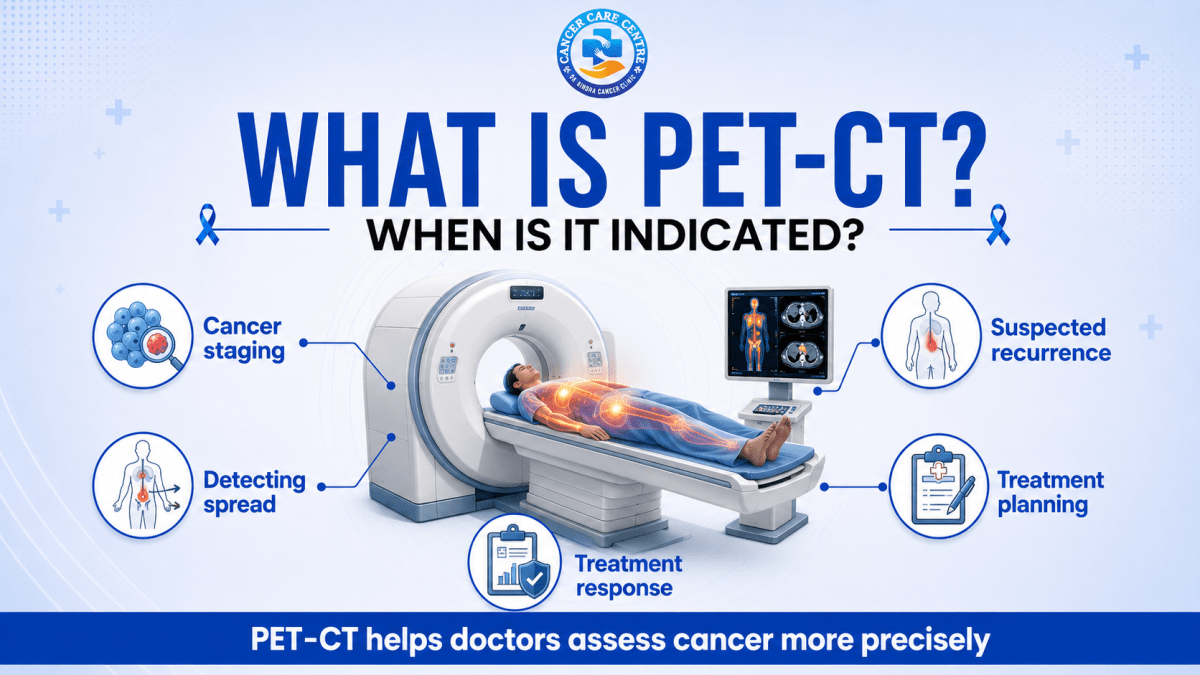
What Is a PET-CT Scan and How Are the Results Interpreted?

    August 2, 2026 150 Views

A PET-CT scan is an advanced imaging test frequently used in cancer care. Patients may encounter unfamiliar terms in their report such as “FDG avid,” “metabolically active,” “SUVmax” or “metabolic response.”

Understanding what these terms mean can make a PET-CT report easier to discuss with your doctor.

What Is a PET-CT Scan?

PET-CT combines two imaging technologies:

CT Scan

Computed Tomography provides detailed anatomical images showing the size, shape and location of structures within the body.

PET Scan

Positron Emission Tomography provides information about certain metabolic activities within tissues.

Combining both allows doctors to assess anatomy and metabolic activity at the same time.

What Is FDG?

One of the most commonly used tracers in cancer PET imaging is 18F-FDG.

FDG behaves similarly to glucose. Because many cancer cells use glucose at a higher rate than surrounding tissues, they may take up more FDG and appear more active on PET imaging.

When Is PET-CT Used in Cancer?

PET-CT may be recommended for several reasons depending on the cancer type.

Cancer Staging

PET-CT can help determine whether cancer is confined to its original location or has spread to lymph nodes or distant organs.

Evaluating Suspected Metastases

The scan can help identify suspicious areas elsewhere in the body.

Assessing Treatment Response

Doctors may compare PET-CT scans before and after treatment to assess changes in metabolic activity.

Investigating Possible Recurrence

PET-CT may be useful in selected patients when doctors suspect that previously treated cancer has returned.

Planning Biopsy or Radiation Treatment

In some circumstances, PET information can help identify suitable biopsy targets or assist with radiation planning.

What Does “FDG Avid” Mean?

FDG avid means that an area has absorbed more FDG tracer than surrounding tissues.

An FDG-avid area is not automatically cancer.

Inflammation and infection can also cause increased FDG uptake.

Certain normal organs naturally show significant tracer activity as well.

What Is SUV in a PET Scan?

SUV stands for Standardised Uptake Value.

It provides an estimate of how much tracer has accumulated within a particular area.

SUVmax refers to the highest measured SUV within the region being evaluated.

Does a High SUV Always Mean Cancer?

No.

There is no single SUV value that can universally separate cancer from non-cancerous conditions.

SUV can be influenced by:

  • Tumour biology
  • Inflammation
  • Infection
  • Blood glucose level
  • Time between tracer injection and imaging
  • Technical characteristics of the scanner
  • Size of the lesion

Doctors therefore interpret SUV together with the appearance and location of the abnormality and the patient’s medical history.

Can PET-CT Miss Cancer?

Yes. PET-CT is a valuable imaging tool but is not perfect.

Some very small lesions may be difficult to detect. Certain slow-growing cancers may also show relatively low FDG uptake.

This is why a PET-negative finding cannot always completely exclude cancer.

Why Can PET-CT Be Positive After Surgery or Radiation?

Surgery, radiation, infection and inflammation can temporarily increase metabolic activity.

For this reason, the timing of PET-CT after treatment is important and should be decided by the treating medical team.

How Should You Read a PET-CT Report?

It is useful to review the report in the following order:

Clinical Indication

This explains why the PET-CT was requested.

Comparison

The radiologist may compare the current scan with an earlier PET-CT, CT or MRI.

Primary Tumour Site

The report describes whether the known tumour remains visible and whether it has changed.

Lymph Nodes

The report notes any suspicious metabolically active lymph nodes.

Distant Organs

The scan is assessed for suspicious findings elsewhere in the body.

Impression or Conclusion

This is usually the section where the nuclear medicine specialist summarises the most important findings.

What Does Metabolic Response Mean?

When a PET-CT is performed after treatment, doctors may assess whether the metabolic activity of the disease has reduced, disappeared, remained stable or increased.

These findings must be interpreted together with the type of cancer and treatment received.

PET-CT Should Not Be Interpreted in Isolation

Doctors combine PET-CT findings with:

  • Biopsy results
  • Pathology reports
  • Previous scans
  • Blood investigations
  • Symptoms
  • Physical examination
  • Details of treatment already received

Conclusion

The most important question after a PET-CT is not simply, “What is my SUV?”

A more useful question is: “What do these PET-CT findings mean in the context of my diagnosis and treatment?”

PET-CT results should always be interpreted by the treating oncology team together with the patient’s complete medical history.

This article is intended for patient education and should not be used to self-interpret or self-diagnose cancer.


Why is Cancer Increasing and How to Avoid and Fight It?
Categories
Cancer Doctor

Why is Cancer Increasing and How to Avoid and Fight It?

    January 2, 2024 8218 Views

Cancer and its types are among the most dangerous and feared illnesses. In India, nearly 7,25,000 people die from cancer. Even in Punjab, many people die from cancer. It is increasing rapidly and consuming the lives of people. However, the good thing is that now, cancer can be treated. Dr Manpreet Singh Bindra (BHMS PgHom(London), DIHom(London), CCH-UK(Oncology)) explains multiple things, such as different cancer treatments, which treatment is best and what steps to take after a diagnosis. This blog will explain the information provided by Dr. M.S. Bindra.

Cancer 

Cancer is a disease that has many types. In this, cells grow abnormally and disrupt the regular functioning of the body. Cancer cells can affect any tissue or organs. They can also grow beyond boundaries and invade other areas of the body. The patient suffers from different stages of cancer, and based on the stage, treatment is provided to the patient.

Why Are the Majority Of Cancers Diagnosed Only At The Last Stage?

According to Dr. M.S. Bindra, people ignore early signs and overlook the symptoms in the initial stage. For example, if a person has a prolonged cough, he or she thinks it is normal and ignores it. Similarly, if a person has an ulcer in the mouth that is recurring or if it does not go away on its own, it could be mouth cancer.

What people usually do is ignore or take such symptoms lightly and try to treat them with home remedies. When remedies do not work, they approach the chemist and experiment with different medicines. Lastly, when nothing seems to work, they go to the hospital to get themselves checked. By the time they reach the hospital, it becomes too late, or the development of cancer spreads across the body. As a result, cancer is usually detected at the last stage.

What to do after diagnosis?

Cancer has a lot of fear attached to it. When a person learns that he or she is diagnosed with cancer, they usually think it is the end of their life or that they are about to die. But according to Dr. M.S. Bindra, this is not the case. Cancer now has many treatments available that are effective and reliable. Here are some of the things you can do if you are diagnosed with cancer.

  • Remove The Fear – You need to let go of the fear of cancer and dying. Cancer can now be treated using various methods and medicines. Earlier, it used to be incurable or untreated. However, the scenario today is different. Thus, trust yourself and the process and do not fear.
  • Be Patient – Once you are diagnosed with cancer and have started the treatment, do not expect overnight results. As cancer takes time to develop, so is the case with recovery. You can fight cancer, but you need to give yourself adequate time and should be patient throughout the process.
  • Plan Proper Framework – With the help and consultation of your doctor, plan and formulate a proper framework. This framework can be for 6 months or 2 years, depending on the type and stage of cancer. The decision to choose the treatment and method should be taken in time and not in haste. Take proper guidance from the doctor, and discuss your case and concerns with your cancer specialist. Accordingly, work on it and have patience.

Allopathy Or Homeopathy For Cancer?

It depends on the patient which treatment they want to go for. We will discuss both options, as explained by Dr M.S. Bindra, so that you can make your decision accordingly. 

Allopathy

In allopathy, emphasis is given to ease the symptoms rather than cure the root cause of the problem. Also, in allopathy, the medicines used are harsh and have adverse side effects on patients. In this medical approach, chemotherapy and radiation therapies are used to fight cancer. 

Chemotherapy and radiation therapy target the whole body and not just cancer cells. As a result, along with cancer cells, even the normal and healthy cells are damaged. Even in surgery, cancer tumours are removed but not fully. The cancer cells can 

grow back from the same place it was earlier or in a different part of the body. Brain tumour is an example of this, as it grows back in a few weeks or months despite its surgical removal.

Homeopathy

Homeopathy is an alternative medicine theory that aims to cure the root cause of the problem and not just the symptoms. Further, it is safe and hardly has any side effects. In homoeopathy, there are different treatments for patients. These include homoeopathic medicines and Immunotherapy. 

In this, emphasis is given to making the immunity strong and treating the problem from the roots. This helps a person recover from cancer and also prevents it from growing back. The treatment is not hard on patients or the body, making it completely safe and the best choice.

Which Treatment Should You Opt for Cancer? 

According to Dr. M.S. Bindra, the patient, when diagnosed with cancer, should always get a second opinion from different doctors instead of relying only on one thing. Maximum people choose allopathy as their first mode of treatment because they visit the hospital and get scared about the disease. Moreover, they are recommended to get treated immediately. As a result, they rush with treatment instead of taking proper time to decide the treatment.

Allopathy and Homeopathy both can be used to treat cancer, but the difference is that the former focuses on reducing the severity of the symptoms, whereas the latter focuses on curing the root cause. Dr. M.S. Bindra explains using an example of the tree, if we cut the tree and not its root, then the tree will grow back in due course of time. Similar is the case with cancer. Hence, choose the treatment you want after careful consideration and consultation with the doctors.

Chemotherapy vs Immunotherapy 

Chemotherapy uses harsh medicines and radiation therapy, which damage normal healthy cells along with cancer cells; because of this, patients suffer more from the side effects of the therapy than the disease itself.

Immunotherapy focuses on strengthening the immunity and immune cells. Immunity can fight all diseases, including cancer cells. This treatment has no side effects. Moreover, the chances of cancer regrowth are also minimal and negligible.

What Can Be Done In The 4th or Terminal Stage? 

Terminal Stage is a stage in which the chances of curing the disease are minimal. Also, it is difficult to bring the patient out of this stage. Not much can be done if the patient is in the last stage of cancer. In such cases, doctors recommend proper care of the patient. 

Importance is given to making the patient’s lifestyle better, providing peace of mind, proper diet and care to help them live peacefully. In this stage, cancer is difficult to cure, but the patient’s quality of life can be improved. 

Is Cancer Genetic?

Depending on the type of cancer, you can classify some of them as genetic and non-genetic. According to Dr. M.S. Bindra, around 30-40% of cancers are genetic. Breast cancer and prostate cancer are some of the examples of genetic cancer. If you have multiple cases of this cancer in your family, then the probability of you developing cancer increases.

With proper risk evaluation, regular screenings and diagnosis, the risk and severity of cancer can be controlled at an early stage. So, no need to fret about it as it can be treated and dealt with.

Can You Prevent Cancer?

The exact cause and reason for the development of cancer is not known. However, you can definitely take steps to prevent it. Stress is one of the major causes of cancer. It includes both physical and mental stress. Avoid over-exerting your body and mind. 

Besides this, lifestyle and diet also play a major role in fighting diseases. You should eat a healthy diet and do regular exercise. Ignoring all these factors can lead to fatal consequences. Making these changes in the lifestyle not only helps you fight cancer but also helps you fight other diseases.

There is no need to be scared of cancer as it can now be treated. Make sure to consult the right doctor for proper guidance, and do not make impulsive decisions for the treatment. Have patience when starting the treatment and stay optimistic throughout the journey.


Categories
homeopathy

DR BINDRA’S SUPER SPECIALITY HOMOEOPATHY SERVING PATIENTS FROM 24+ COUNTRIES SINCE 2010

    December 13, 2023 4241 Views

Dr. Bindra’s Super Speciality Homoeopathy, the best Cancer Hospital in Ludhiana has been a ray of hope for more than ten years, offering patients from over twenty-four nations compassionate, efficient, and holistic recovery. Since its founding in 2010, the clinic—which places a strong emphasis on patient education and well-being—has grown to become a recognised hub for individualised homoeopathic therapy.

Homoeopathic Healing:

The clinic’s accomplishments have been fueled by Dr. Bindra’s commitment to homoeopathy. Knowing full well that it may treat a variety of illnesses, Dr. Bindra has developed a wide range of services to meet various health requirements.

Full Range of Homoeopathic Services:

  1. Management of Chronic Diseases: The clinic’s area of expertise is treating long-term illnesses such autoimmune diseases, allergies, asthma, and arthritis. For individuals looking for long-lasting treatment, homoeopathy offers a secure and reliable substitute.
  2. Cancer Treatment Support: In addition to standard cancer therapy, Dr. Bindra’s experience includes providing supporting homoeopathic treatment. Throughout their cancer journey, this all-encompassing strategy aids patients in managing side symptoms and enhancing general wellbeing.
  3. Emotional and Mental Well-Being: When it comes to treating mental and emotional issues like stress, anxiety, and depression, homoeopathy is essential. Better emotional equilibrium and mental clarity are encouraged by natural therapies.
  4. Health of Women: Dr. Bindra provides individualised therapy for each patient by customising homoeopathic remedies to address a range of women’s health issues, from irregular menstruation to infertility and menopause.
  5. Care for Children: The clinic provides a kind and secure method of treating common kid’s diseases like colds and coughs as well as chronic problems like eczema and autism. 

The Essence of Personalized Care

In the realm of personalised care, homoeopathy stands out as a gentle healing art. Tailored individual needs, it views each person holistically. Unlike one-size-fits-all approaches, homoeopathy delves into your unique symptoms, emotions, and lifestyle. It’s like a personalised medicine puzzle, aiming not just to treat the ailment but to restore harmony to your whole being, making it a soothing and precise path to wellness.

A Dedicated Team of Practitioners

In the realm of homoeopathy, a dedicated team of practitioners plays a pivotal role. These experts, armed with a profound understanding of natural remedies, strive to restore balance within the body. Our compassionate approach ensures personalised care, guiding individuals on a holistic journey toward wellness. With a focus on simplicity, these healers empower patients, making homoeopathy accessible and understandable for young minds experiencing the wonders of natural medicine.

Community Education and Research Initiatives

In the realm of community education and research initiatives, exploring homoeopathy unveils a fascinating world of natural remedies. From understanding potentized substances to delving into personalised treatments, this section aims to simplify homoeopathic principles for curious minds. Join us on a journey of holistic healing and scientific exploration.

A Trusted Resource for Healing

Embark on a journey of healing with our hospital – a trusted resource illuminating the wonders of homoeopathy. Simplifying complexities, our content is tailored for anyone’s understanding. Discover wellness effortlessly at the best Cancer Hospital in Ludhiana.

Your Path to Wellness

Navigate your path to wellness through the wonders of homoeopathy. Uncover a world where natural remedies, personalised to your body’s rhythm, gently restore harmony. Embrace a healing journey that speaks to you, unlocking vitality for a healthier, balanced life.

Conclusion

Exploring the realm of homoeopathy at Dr. Bindra’s Super Speciality Clinics unveils a unique path to wellness. Our commitment to excellence makes us a standout choice for those seeking the best Cancer doctor in Punjab.


Effective alternative cancer treatment with Homeopathy.
Categories
homeopathy

Effective alternative cancer treatment with Homeopathy.

    December 8, 2023 4805 Views

Cancer is a disease or a large group of diseases that start to develop in the body when the healthy cells start to turn into cancerous cells and then spread by multiplying. It is one of the most haunting diseases that result in death if not diagnosed and treated at an early stage. However, the latest technology at Dr. Bindra’s superspeciality clinics that offer a world class integrative cancer care, superspeciality homoeopathy & diagnostics, provides early detection and innovative treatments to cure cancer in order to help them live a long life. Read on to understand how the best cancer doctor in Punjab can help you fight cancer. 

How does cancer develop in the body?

Cancer starts to develop when the genes start to undergo a change in their genetic makeup and end up creating cancerous cells. These cells start to multiply and form cancer clusters of tumours. The cancerous cells that form tumours also hold the capability of breaking away from the tumour to travel to other regions of the body. 

Symptoms of Cancer

Cancer is a complex disease that could be developing in your body for years without showing any symptoms. However, sometimes, cancer does show symptoms that start to get worse quickly. Having a certain symptom does not necessarily mean that you have cancer; therefore, consulting a Cancer Hospital In Ludhiana would help to identify the unusual change in your body if it stays for a long period, like more than 2 weeks. The early symptoms that may lead to cancer include:

  • Unusual weight loss
  • Persistent pain
  • Fever that occurs usually at night
  • Changes in skin, specifically the moles in association with their size and shape of formation of new moles. 

 In case the cancer is left untreated, the symptoms may also include

  • Easy bruising or bleeding
  • Lumps under the skin that do not go away
  • Difficulty in breathing
  • Difficulty in swallowing

Cause of cancer

Cancer is considered to be a genetic disorder that develops as the genes undergo changes and start to form abnormal cells that divide and multiply, resulting in a disrupted working system of the body. 

The acquisition of most of the cancer is due to the inheritance of genetic mutations. Several risk factors elevate the chances of you being influenced by cancer. The cancer risk factors that you can control include: 

  • Smoking
  • Diet
  • Environment
  • Radiation exposure
  • Hormone therapy

At Dr. Bindra’s Cancer Hospital, we offer you the best homoeopathic treatments that would help you reduce the symptoms of cancer and cure the disease. While there are many other medical approaches for treating cancer, homoeopathy can also pose as an effective alternative or an additional approach that may help to treat cancer. 

Treatment of Cancer in Homeopathy

Some of the commonly used homoeopathic remedies for cancer are:  

Calcarea Fluorica

This medicine usually helps to treat knots and kernels and can also help to manage hardened lumps in the breast. Stony hardness and enlargements can also be treated with Calcarea Fluorica. The development of malignancy or cancer can also be prevented using this medication. This medicine is generally considered to get rid of any suspicious lumps that may be present in the breast. 

Lapis Albus

This medicine is used to manage the pain that is felt during cancer, and it also helps to treat the yellow discharge that comes due to cancer. 

Hekla Lava

Ivory tumours that are spongy in texture can be treated with this medication. 

Conium

The hardness of the glands caused by the multiplying of cancerous cells can be managed with Conium. It also helps to treat bruises and scars related to the gland. 

Condurango

This medicine helps to manage the pain when the cancer starts to affect various parts of the stomach or abdomen. Open tumours can be treated with Condurango. 

Phytolacca

Patients who are struggling with the formation of fat along with cancer can be treated with this medication. The treatment of these fatty tumours with phytolacca makes the removal of the tumours easier. In addition to this, the medicine is also effective in treating lumps in the breast as well as posing as an absorbent for fibroid tumours present in the uterus. 

These are some of the Homoeopathic treatments that you can acquire from the best cancer doctor in Punjab at Dr. Bindra’s superspeciality clinics. 

It can be stressful as well as frightening to discover that you have cancer. Therefore, making ideal decisions as well as medical approaches for the treatment of cancer is essential. Consult the best Cancer hospital in Ludhiana to diagnose and treat cancer if you suspect any symptoms.


Posts pagination

← Newer Posts1 2 … 7 Older Posts →

About This Site

This may be a good place to introduce yourself and your site or include some credits.

Find Us

Address
123 Main Street
New York, NY 10001

Hours
Monday–Friday: 9:00AM–5:00PM
Saturday & Sunday: 11:00AM–3:00PM

Contact Us

  • CANCER CARE CENTRE (Dr.Bindra's Superspecialty Clinics) 474 R, Model Town, Backside Deep Hospital, Ludhiana
  • +91-9803914108 (Emergency)
  • 0161-5080108 (Appointment)
  • cancercare.drbindra@gmail.com
  • Terms and Conditions
  • Privacy Policy
  • Testimonials

Our Services

  • Cancer Treatment
  • Dietetics And Supplementation
  • Hematologic Disorders
  • Palliative Cancer Care Treatment
  • Pediatric Cancer Care Treatment
  • Bladder Cancer Treatment
  • Blood Cancer Treatment
  • Cervical Cancer Treatment

Location

©2021 All rights reserved by Dr Bindra Cancer Clinic Designed and Developed By Flymedia Technology