
Online consultation
Skip to the content
+91-9803914108 (Emergency) / 0161-5080108 (Appointment) cancercare.drbindra@gmail.com
drbindracancerclinicdrbindracancerclinic
  • About Us
    • About Cancer Care Centre
    • About Dr Bindra
    • Our Vision & Values
    • AWARDS & RECONITIONS
    • Privacy policy
    • Terms and Conditions
  • Services
    • Cancer Treatment
      • Breast Cancer Treatment
      • Bile Duct Cancer Treatment
      • Bladder Cancer Treatment
      • Cervical Cancer Treatment
      • Colon Cancer Treatment
      • Kidney Cancer Treatment
      • Gallbladder Cancer Treatment
      • Blood Cancer Treatment
      • Liver Cancer Treatment
      • Lung Cancer Treatment
      • Ovarian Cancer Treatment
      • Oral Cancer
      • Uterine Cancer Treatment
      • Pancreatic Cancer Treatment
      • Stomach Cancer Treatment
      • Throat Cancer Treatment
      • Thyroid cancer Treatment
      • Cancer Immunotherapy Treatment
    • Pediatric Cancer Care Treatment
    • Palliative Cancer Care Treatment
    • Hematologic Disorders
    • Dietetics And Supplementation
    • Best Cancer Doctor In Jammu
    • Best Cancer Doctor In Himachal Pradesh
    • Best Cancer Doctor In Srinagar
  • FAQ’s
  • Home
  • Blog
  • Gallery
    • Conferences
    • Workshops
    • Cases Series
    • Videos
  • Contact Us

Blog

Home  »  Uncategorized
  • About Us
    • About Cancer Care Centre
    • About Dr Bindra
    • Our Vision & Values
    • AWARDS & RECONITIONS
    • Privacy policy
    • Terms and Conditions
  • Services
    • Cancer Treatment
      • Breast Cancer Treatment
      • Bile Duct Cancer Treatment
      • Bladder Cancer Treatment
      • Cervical Cancer Treatment
      • Colon Cancer Treatment
      • Kidney Cancer Treatment
      • Gallbladder Cancer Treatment
      • Blood Cancer Treatment
      • Liver Cancer Treatment
      • Lung Cancer Treatment
      • Ovarian Cancer Treatment
      • Oral Cancer
      • Uterine Cancer Treatment
      • Pancreatic Cancer Treatment
      • Stomach Cancer Treatment
      • Throat Cancer Treatment
      • Thyroid cancer Treatment
      • Cancer Immunotherapy Treatment
    • Pediatric Cancer Care Treatment
    • Palliative Cancer Care Treatment
    • Hematologic Disorders
    • Dietetics And Supplementation
    • Best Cancer Doctor In Jammu
    • Best Cancer Doctor In Himachal Pradesh
    • Best Cancer Doctor In Srinagar
  • FAQ’s
  • Home
  • Blog
  • Gallery
    • Conferences
    • Workshops
    • Cases Series
    • Videos
  • Contact Us

Category: Uncategorized

Categories
Uncategorized

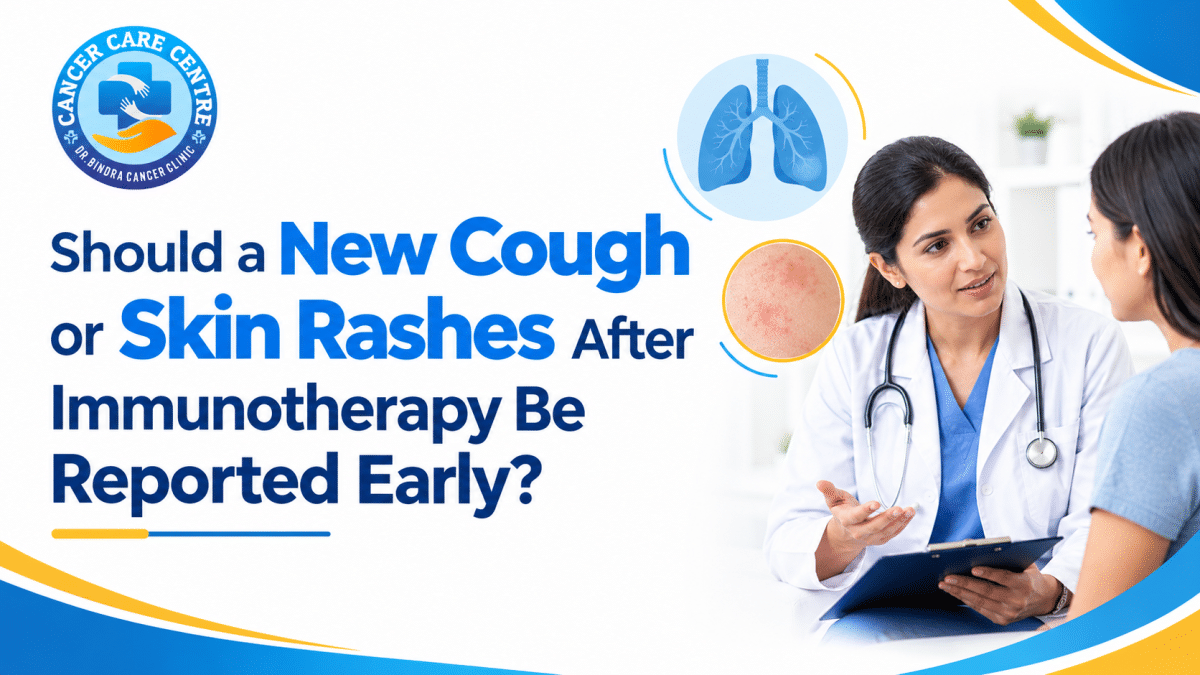
Should a New Cough or Skin Rashes After Immunotherapy Be Reported Early?

    October 14, 2026 83 Views

One of the toughest battles is fighting cancer, resulting in physical and mental weakness. Approaching cancer treatment means undergoing different treatment options, or new injections and medications, sometimes to eliminate the cancer cells. This is where immunotherapy is also one of them, including oral pills, IV infusions, creams and injections. These different types of immunotherapy are approached with the aim of targeting the cancer cells in your body by thoroughly strengthening your immune system. Though it plays an integral role in fighting off cancer cells, there are still some side effects of immunotherapy that need quick medical evaluation. Certainly, sudden and new coughing or skin rashes must be reported early, as these are immunotherapy side-effect warning signs, indicating the need for professional help as soon as possible. 

Its side effects do not end here; in fact, they include poor gut health, diarrhea and hepatitis, and sometimes inflammation in the heart and brain, which are quite rare and complex. The roots behind such side effects include the escalation power of immunotherapy in targeting cancer cells, which can also start damaging healthy cells. However, these can be managed with the help of targeted treatments and management options by experts. 

Welcome to this blog post where you’ll be introduced to the specific immunotherapy side effects warning signs guide, including a brief description of its side effects, whether immunotherapy really works for cancers and how its side effects are managed, so continue reading. 

Do immunotherapy side effects mean it is not working? 

Immunotherapy simply means boosting your immune system to specifically target the cancer cells; however, when it starts targeting your healthy cells as well, then its side effects can be seen.

  • Experiencing immunotherapy side effects does not mean the cancer treatment has failed; in fact, there are few studies demonstrating that individuals with mild symptoms are more likely to respond to the immunotherapy. 
  • However, this relationship does not remain consistent in every case. 

Here are the side effects of immunotherapy?

The side effects of immunotherapy vary from mild to severe, but they can be managed if they are recognised early. 

Mild and common side effects!

  • You might feel extreme exhaustion even if you have been getting more rest than usual. 
  • Experiencing skin rashes and itching; sometimes vitiligo is also associated with its side effects. 
  • Struggling with diarrhea, poor gut health and nausea, introducing different digestive issues as side effects. 
  • Most importantly, feeling fever along with chills and muscle aches more often. 

These side effects can be managed if you identify them early with the treatment approaches by the experts and can be improved in a short span of time. 

Severe side effects!

  • Suddenly experiencing a dry cough, mainly pneumonitis, along with shortness of breath. 
  • Liver inflammation, including pale skin or eyes, along with hepatitis.
  • Experiencing irregular heartbeats and sudden chest pain, indicating heart-related issues, which is quite rare. 
  • Affected endocrine glands, such as the thyroid, resulting in increased weight. 
  • An affected gastrointestinal tract, including colon inflammation, abdominal pain and bleeding, is also associated with the organ side effects of immunotherapy. 

Such side effects can also be managed by the experts; however, these might require planned long-term care. 

How do the experts manage your immunotherapy side effects? 

The experts manage immunotherapy side effects by grading them on a scale from mild to severe. 

  • If the side effects are mild, then specific drugs with supportive care can be prescribed, for example, topical cream for managing the skin rashes. 
  • However, if the side effects are severe, such as liver inflammation or heart muscle inflammation, then corticosteroids and intravenous treatments are given.
  • Sometimes, advanced immunosuppressants are also given for managing the severe side effects. 

The Final Comments! 

Summing up the above-mentioned points, you might have understood the side effects of immunotherapy and the right treatment options opted for by the experts accordingly. Its side effects do not mean that immunotherapy does not work for fighting off the cancer cells; it does play a crucial role in this. However, when it becomes overactive, then the tables turn. Make sure to engage with a professional cancer doctor with years of experience to ask specific immunotherapy side effects warning signs questions to get crystal-clear answers. 

If you are unable to find an experienced cancer doctor in Ludhiana, then here we are! The experts at Dr. Bindra Cancer Clinic provide a tailored and advanced approach to give you a cancer-free life. We even help provide you with concise and appropriate information about immunotherapy side effects and warning signs in Ludhiana, along with effective management options. 

FAQs

  • Is it possible to prevent the side effects of immunotherapy? 

You cannot prevent immunotherapy side effects; however, with the professional’s right guidance, these can be managed effectively. 

  • Can mild immunotherapy side effects be managed at home only? 

No, managing immunotherapy side effects at home without informing your professionals won’t provide any desirable results. You need to share this with your healthcare team for better guidance. 

  • Do immunotherapy side effects pause the cancer treatment? 

Apparently, the severity of your side effects indicates this. If they are moderate to severe, then pursuing cancer treatment would be an ideal option. 

  • How do doctors decide specific immunotherapy types during cancer treatment? 

This includes specific factors such as the cancer stage, type and genetic tests when deciding the right immunotherapy type. 

  • How much time does immunotherapy take to help fight cancer cells?

It usually takes approximately two to four months to get positive results; however, specific immune responses also affect the results.
Categories
Uncategorized

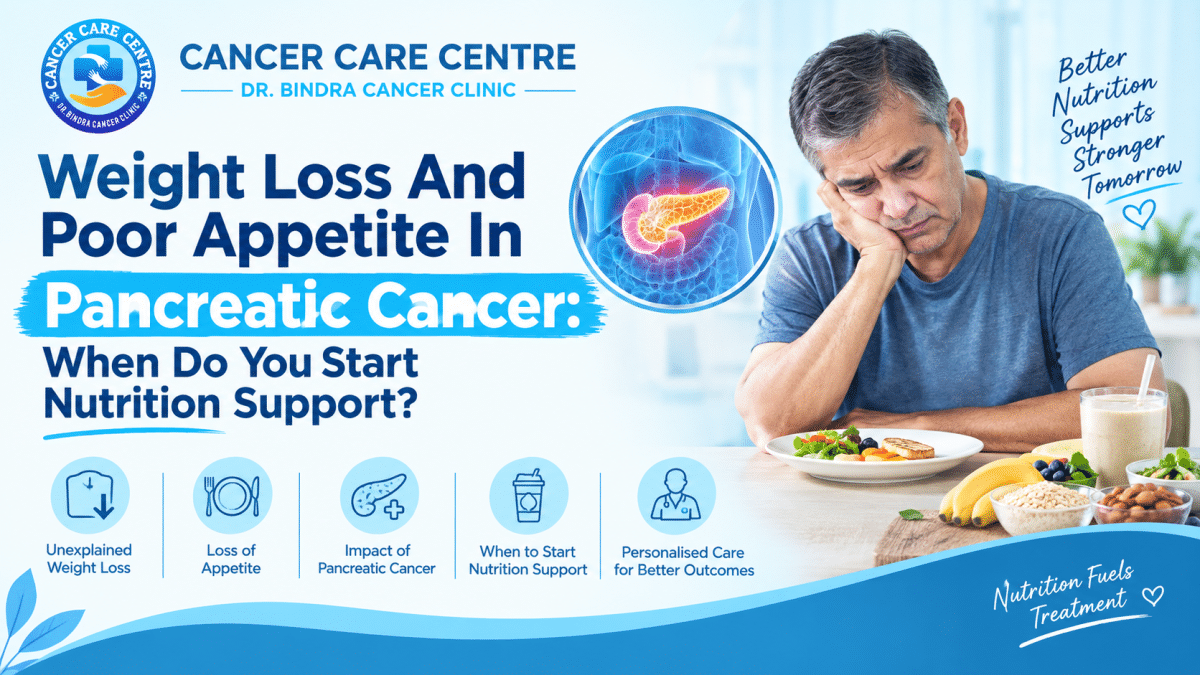
Weight Loss And Poor Appetite In Pancreatic Cancer: When Do You Start Nutrition Support?

    September 30, 2026 207 Views

It is common for people diagnosed with pancreatic cancer to find it difficult to maintain their weight and follow a regular, healthy diet. The pancreas is an organ located in the abdomen behind the stomach and is responsible for converting the food we eat into fuel for the body’s cells. Food may not digest properly if the pancreas is not functioning properly due to cancer, leading to weight loss and poor appetite. 

The pancreas has two main functions: the first is exocrine, which helps in digestion of food, and the other is endocrine, which regulates blood sugar. Even if patients continue to eat and digest food normally, pancreatic cancer releases compounds into the bloodstream that break down muscles and fat, causing patients to lose weight and feel fatigue. 

To maintain good nutrition and maximize your health, professional dietitians work closely with your health care team. They can assess your needs and make a diet plan that can best address cancer weight loss and poor appetite in Ludhiana, including supplementary insulin or pancreatic enzymes. An experienced dietitian can help you alter the consistency and fat content of your diet to protect from becoming malnutrition.

Cancer Weight Loss And Poor Appetite Guide

Pancreatic Cancer Diet Tips:

To treat pancreatic cancer, chemotherapy, radiation and surgery are the treatment options available. Pancreatic cancer makes it hard for the body to digest food and keep a healthy weight no matter what type of treatment you receive. Here are a few tips that can help to optimize nutrition during or after treatment.

Monitor And Maintain Healthy Weight

It is common to lose some weight after being diagnosed with pancreatic cancer and its treatment, but excessive weight loss and poor nutrition can affect the body’s ability to fight infection and tolerate treatment. To maintain a healthy body weight:

  • Weigh yourself weekly
  • Consult your health care provider or dietitian if you lose more than 1 kg a week, as they can tell you ways to increase calories and protein intake. 

Stay Hydrated 

To prevent dehydration, drink enough fluid during cancer treatment:

  • Aim to drink 8 glasses of water per day 
  • To avoid being full at mealtime, drink a glass of water one hour before or after a meal. 
  • Choose beverages that contain calories and nutrients 
  • Avoid excess caffeine and alcohol, which may lead to dehydration.
  1. Eat Small, Frequent Meals 

Frequent meals help to ensure your body has enough nutrients to tolerate treatment. It becomes difficult to eat because of medical treatments, so it is good to eat a few bites at a time. You can set an alarm to eat five to six meals in a day every three to four hours.

High Protein Foods With Every Meal

High protein foods help the body repair damaged cells and assist the immune system in recovering from illness. Lean protein foods are easy to digest, and you can add them to each meal and snacks. 

  • Baked, grilled or boiled lean foods such as chicken and fish
  • Eggs 
  • Peanuts, almond and cashew 
  • You can take low-fat dairy such as milk, yoghurt and cheese
  • Beans 
  • soy products 
  • Protein bars 

Consider Liquid Supplements Or Shakes

As a side effect of treatment, sometimes food becomes less digestible and difficult to eat, whereas liquid products are easy to digest and can often be better tolerated; make sure these supplements are protein-rich.

Food that can help to increase your calorie intake includes: 

  • Protein drinks 
  • Bone broth to add to soup broth 
  • Shakes that are made from yoghurt or high-protein milk 
  • Pureed soups
  • Smoothies 

Choose Foods That Are Easy To Digest 

Pancreatic cancer treatment side effects can impact digestion; chopped, boiled or soft foods are easier for the body to digest. You should avoid meals such as red meat, pork or raw vegetables, especially when digestion is a challenge. 

  • Choose Necessary Whole Grain Food

Whole grains are a good source of energy for the body, and this food provides complex carbohydrates and fiber. 

  • Oatmeal 
  • Whole grain bread 
  • Brown rice
  • Whole grain pasta 
  • Corn
  • Farro 

Eat Colourful Foods

All the colourful fruits and vegetables are high in antioxidants that can help fight against cancer; eat at least five servings per day of fruits and vegetables. 

Conclusion

Appetite loss or weight loss are common symptoms of cancer treatments; a person with cancer might lose their appetite and weight. But you are most likely to lose weight if you have lung, pancreas or neck cancer or cancer in the upper digestive system. Loss of appetite may often lead to weight loss, and weight loss occurs when your body burns more calories than you are taking in. You may have many questions about cancer, weight loss, and poor appetite, and questions about diet that can help to manage your nutrients in your body. 

For this,  your health care provider can suggest a diet plan to protect you from malnutrition. If you are struggling with poor appetite and weight loss due to pancreatic cancer, you can book an appointment with Dr. Bindra Cancer Clinic. Dr. Manpreet Singh Bindra has more than 16 years of experience and has treated more than 25 thousands of cancer patients from 28+ countries in the world. 

FAQ

What are the symptoms of pancreatic cancer?

There are no known symptoms of early-stage pancreatic cancer, but if you notice excessive weight loss, jaundice and stomach pain, then you should see your primary care doctor. 

What tests are available to detect pancreatic cancer?

There is no simple test available to detect pancreatic cancer, but in most cases, cancer is found when symptoms develop, or CT or MRI is done for other reasons. 

Why is pancreatic cancer found in later stages in most cases?

Usually, it does not cause any symptoms, and fifty percent of cases are not identified until it has spread to other parts of the body. 

Is it possible to have full recovery from pancreatic cancer? 

Yes. It is possible to have full recovery from pancreatic cancer. 


Categories
Uncategorized

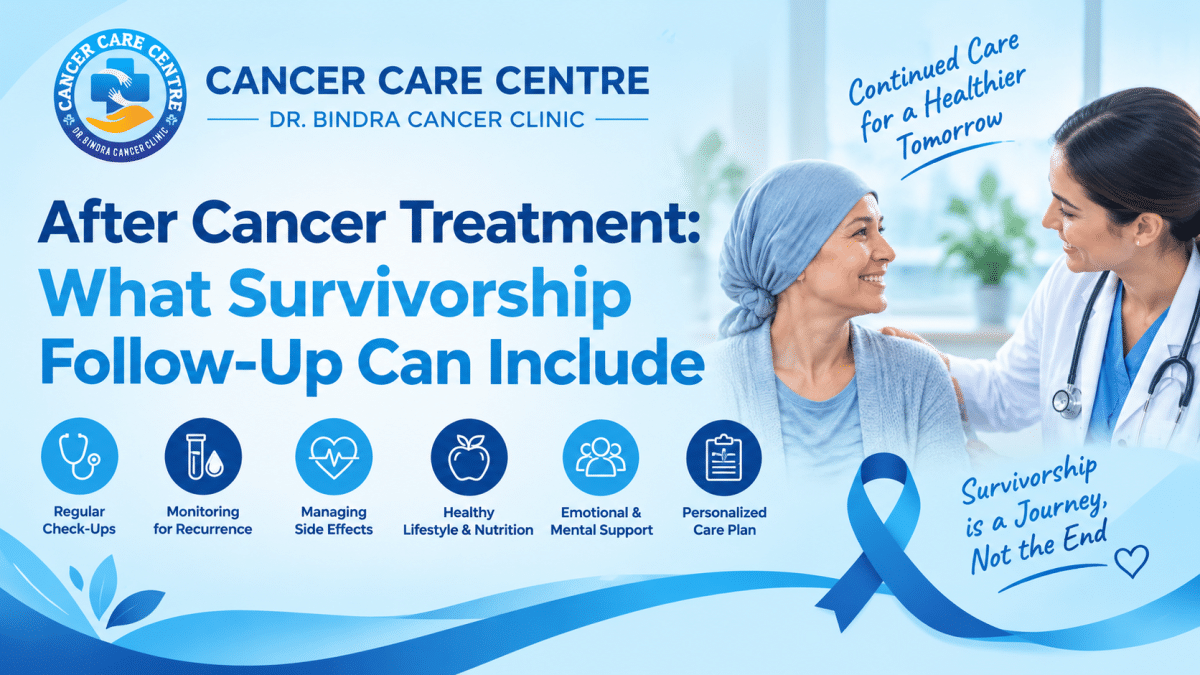
After Cancer Treatment: What Survivorship Follow-Up Can Include

    September 28, 2026 196 Views

Finishing cancer treatment can bring a sense of relief and a lot of questions. People may have many cancer survivorship follow-up questions, such as: What occurs after treatment? How often should I go to the doctor? Which symptoms should be watched for? And what tests might be needed? People ask these questions because transforming from active cancer treatment to survivorship is a great, often overwhelming life shift. Relief, anxiety and confusion are often felt by patients at the end of active treatment.

Cancer survivorship follow-up is very important because it allows doctors to monitor your health after treatment, identify possible problems related to the treatment and plan ongoing care based on your individual needs. The experts will help you understand the follow-up processes to ensure your health is safe. They will teach you the warning signs or new symptoms to watch out for, versus normal signs of recovery like slowly improving energy.

In this blog, you can understand what cancer survivorship follow-up involves, which checks and tests may be included, how to prepare for your follow-up appointments and which questions you can ask your healthcare team about your health after treatment.

What can survivorship follow-up include?

Regular medical checkups 

  • Follow-up appointments are very important because they allow your doctors to assess your overall well-being after your treatment. 
  • This is where the doctors need to find out about new emerging symptoms and any changes in your health, and they will suggest new medication to overcome those symptoms.
  • Frequent visits allow the doctors to catch the side effects, and it is a time when you can discuss with your doctor how you are feeling, and they can refer you to another specialist or upgrade the treatment.

Monitoring for cancer recurrence

  • Your doctors may recommend specific examinations, blood tests, scans and other investigations. 
  • The purpose is to detect any signs of cancer returning as early as possible, long before physical symptoms appear.  
  • Every time a survivor feels a minor ache, a normal headache, or fatigue, a common psychological reaction is to worry that the cancer is back. 
  • Having a recent, clean test result acts as an emotional anchor, helping to quiet those intrusive thoughts and allowing the person to breathe a sigh of relief.

Checking for late effects

  • Some effects of cancer treatment may appear months or even years after treatment ended. Because of regular follow-ups,  it can help monitor these possible late effects before causing complex complications.
  • Doctors use follow-up visits to catch these issues early, when they are easiest to manage.
  • Some treatments can slightly increase the risk of developing a different type of cancer years later; doctors continue routine screenings like mammograms, colonoscopies, or skin checks.

Healthy lifestyle support

  • Follow-ups are not only about medical tests; they are also about what you eat, drink, and do in your daily activities.
  • Your health care team will discuss how to take care of physical activity, nutrition, smoking, weight management and other healthy lifestyle habits.
  • Your survivorship care plan may include recommendations suited to your health and treatment history.

People who are looking for cancer survivorship follow-up in Ludhiana can discuss their post-treatment needs with their oncology team. They provide treatment based on your individual cancer history. You are supposed to keep your treatment records, tests, reports, medication list and notes about new or ongoing symptoms. This can help your health care team understand your health history and plan appropriate follow-up.

A simple cancer survivorship follow-up guide.

  • You have to bear in mind that follow-up care is an ongoing process, not a single final appointment. 
  • Maintain your medical records, schedule the recommended checkups, report any persistent or unusual symptoms, and don’t be afraid to ask questions whenever something isn’t clear.
  • A comprehensive cancer survivorship follow-up guide should be a helpful roadmap and a friendly companion.
  • It needs to remind you to watch your health closely, speak up for what you need, and be gentle with yourself as you heal.
  • It should also focus on late effects, emotional well-being, general health and maintaining quality of life because finishing treatment cures the disease, but it does not instantly restore your health or your life. 

Final thoughts: Your cancer treatment may be over, but your care doesn’t have to be. Regular survivorship follow-up gives you a preventive plan to stay safe, get proper guidance and actively take control of your future health.

Successfully finishing the treatment is a big achievement, and also keep in mind to take care of your health. Make sure to attend these clinical visits regularly because they show you the progress of your health. When going for follow-up visits, it gives your doctors access to identify side effects so they can provide the treatment needed. Having an open conversation with your health experts can help you boost confidence and allow the recovery process to move smoothly. You should remember that the end of treatment is not the end of your care but rather the beginning of a new chapter in survivorship.

Our clinic specializes in treating patients suffering from different cancer problems. The main aim is to give our patients a homeopathic treatment approach so that they can live comfortably and enjoy every phase of life. Dr Manpreet Singh Bindra provides exclusive homeopathic management for kidney patients, utilizing tailored clinical protocols and organ-specific treatments designed to support ailing kidneys. At Bindra Cancer Clinic, we ensure to give our patients homeopathic options designed to help manage comfort and quality of life during your primary cancer recovery.

References

The information from this blog was extracted from the National Cancer Institute, which provides guidance on follow-up medical care and treatment care. MGM Cancer Institute provides data on follow-up care after cancer treatment, including regular monitoring, management of long-term effects and survivorship care planning.

FAQ’s

  1. What happens during a typical follow-up appointment?

The doctors will be asking about your current symptoms, performing physical examinations, reviewing any necessary blood tests to check for potential side effects and offering lifestyle counseling.

  1. Do I need follow-up sessions once cancer treatment ends?

Yes, absolutely; they are needed because they are part of your recovery process, and regular checkups and tests help catch these issues early.

  1. Is it safe to use complementary therapies such as homeopathy alongside standard oncology? 

Yes, some patients choose to use complementary approaches to care and support their overall well-being during the recovery process.

  1. What are the steps I should take when I visit an integrative clinic?

Never delay or postpone chemotherapy, surgeries, scans, or screenings required by your conventional oncology team.

  1. Does scientific evidence support the use of homeopathy as a primary cancer treatment?

No, they don’t. They can be used as a complementary approach to manage some symptoms, but are not a substitute for cancer treatment such as surgery and chemotherapy


Effective Homeopathy Treatment for Cancer
Categories
Uncategorized

Effective Homeopathy Treatment for Cancer

    January 4, 2024 7057 Views

Many people suffer from cancer, and multiple factors are responsible for this. Earlier, cancer used to be an illness that hardly had scope for treatment. However, now, with the development of technology and advancement in science, cancer can be treated with amazing results. There are various treatment options available for cancer patients now. Hence, if you are suffering from cancer and want to opt for treatment, make sure you choose the right treatment after proper consultation with a cancer specialist. 

Cancer Treatment In Homeopathy 

Homeopathy is an alternative medicine approach that helps patients suffering from different diseases to fight and cure themselves. The main aim of this approach is to provide relief to the patients by boosting their overall vitality and strengthening the body to fight back the diseases. Cancer is also treated in homoeopathy with this same intention. 

For cancer, homoeopathy has different reliable medicines and treatments. However, both the medicines and treatment are suggested to patients according to their specific case, severity and stage of cancer. Thus, cancer patients need to discuss their case thoroughly with the doctor and accordingly start with their cancer treatment.

Immunotherapy 

Immunotherapy is a treatment that is suggested for cancer patients. The immune system of the body is highly capable of combating any disease. But with age or factors such as unhealthy diet, stress (both physical and mental), lack of physical activity, and poor lifestyle choices can weaken the immune system of the body. This reduces the ability of our immune cells to fight diseases. 

Immunotherapy is a special cell-targeted medicine that aims to strengthen the immune system and help generate new immune cells. This therapy provides great results as compared to other homoeopathy treatments. The best homoeopathy cancer care clinic recommends patients get this therapy for improved and better results.

Palliative Care 

Palliative care is a caregiving approach given to patients with serious or complex diseases and also to patients who are in the terminal stage of the disease. When the cancer patient is in the last and final stage, the scope of treatment is limited. 

Cancer exhausts the body, especially if you undergo multiple surgeries for removing the tumour or undergo many chemotherapy and radiation therapy sessions. It becomes difficult to treat the condition or get the patient out of that stage. In such cases, palliative care is recommended to patients. In this, emphasis is given to improving the quality of life of the patient. Also, it aims to alleviate the suffering of the patients by providing them peace of mind. 

Why Choose Dr. M.S.Bindra Cancer Treatment Clinic?

  • Treatment for Various Cancers – We provide state-of-the-art facilities and treatment for different types of cancers including lung, blood, liver, pancreatic, uterine cancer and many more. 
  • Best Cancer Care Protocols – In Dr. M.S.Bindra’s Cancer treatment clinic, we follow world-renowned cancer care protocols, and this sets us apart from the rest.
  • Prioritize and Value Your Health – Patients have different needs and priorities depending on their condition. We understand this and value the patient’s health above all. We prioritize your needs and take actions that are suitable for your specific treatment.
  • Seamless Medical Treatment – For the optimum care of our customers, we provide top-notch medical treatments and follow advanced medical practices. 
  • Personalized Treatment Care – To meet the different needs of different patients, personalized care is provided. The medicines and treatment will be recommended as per your condition and stage of the disease.
  • Non-Invasive Treatments – Our main approach is to provide safe treatment to our patients. Hence, we provide the best non-invasive treatments and practices for the betterment of our patients. 
  • No Side-Effects Treatments – Homeopathy treatments hardly have any side effects. We want our patients to recover and feel well. Thus, we do not recommend harsh medicines or treatments. Instead, we recommend treatments that do not worsen the condition of the patient.

Thus, if you are suffering from cancer and want the best treatment that is non-invasive and without any side effects, visit the best cancer treatment clinic in Ludhiana. Dr. M.S. Bindra is specialized and has years of experience in treating cancer patients.

About This Site

This may be a good place to introduce yourself and your site or include some credits.

Find Us

Address
123 Main Street
New York, NY 10001

Hours
Monday–Friday: 9:00AM–5:00PM
Saturday & Sunday: 11:00AM–3:00PM

Contact Us

  • CANCER CARE CENTRE (Dr.Bindra's Superspecialty Clinics) 474 R, Model Town, Backside Deep Hospital, Ludhiana
  • +91-9803914108 (Emergency)
  • 0161-5080108 (Appointment)
  • cancercare.drbindra@gmail.com
  • Terms and Conditions
  • Privacy Policy
  • Testimonials

Our Services

  • Cancer Treatment
  • Dietetics And Supplementation
  • Hematologic Disorders
  • Palliative Cancer Care Treatment
  • Pediatric Cancer Care Treatment
  • Bladder Cancer Treatment
  • Blood Cancer Treatment
  • Cervical Cancer Treatment

Location

©2021 All rights reserved by Dr Bindra Cancer Clinic Designed and Developed By Flymedia Technology