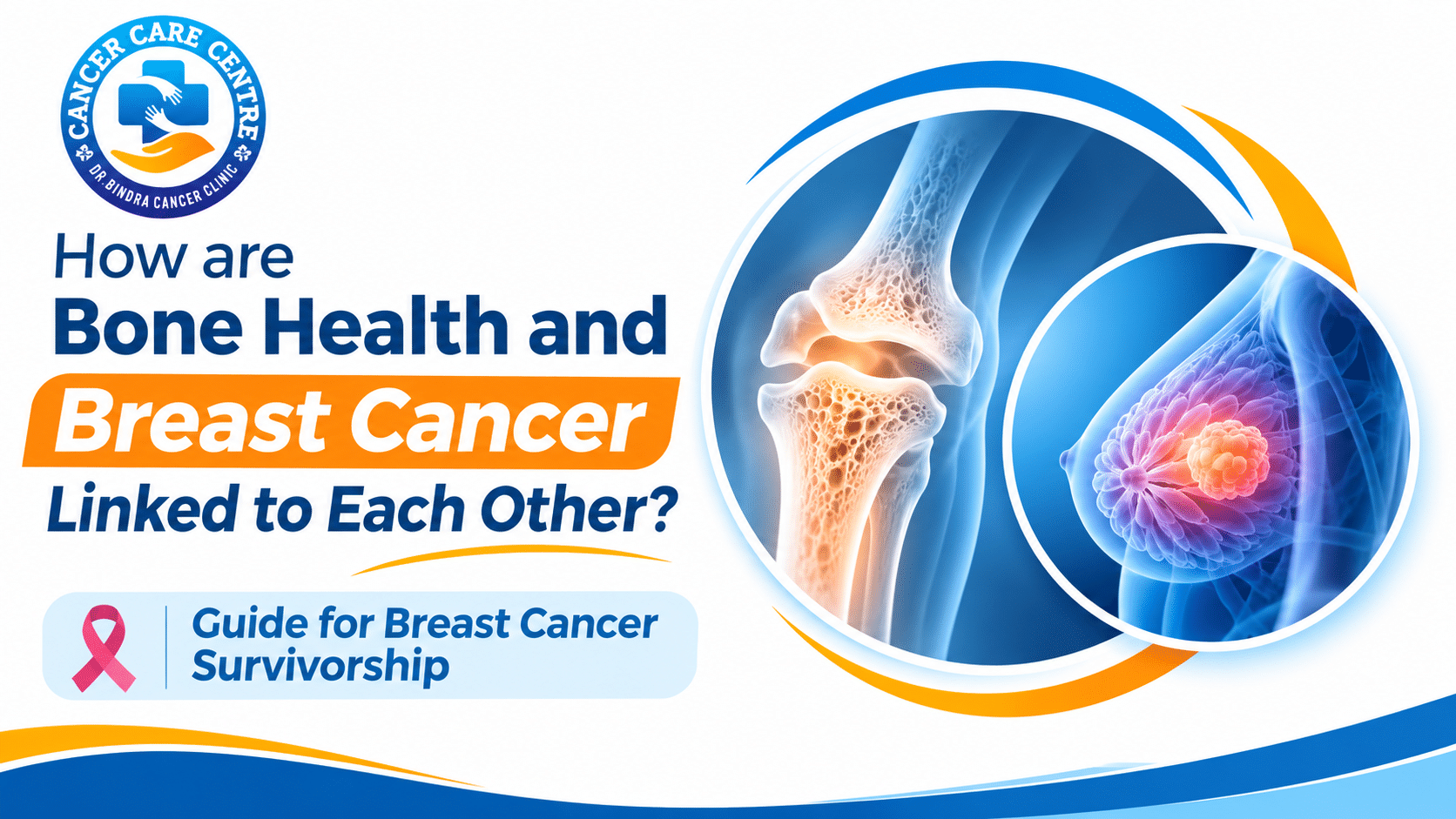
How are bone health and breast cancer linked to each other? Guide for breast cancer survivorship
Bone health is important for overall wellness and health, and even more for patients and survivors of breast cancer. Patients with breast cancer are at higher risk of osteoporosis as compared to cancer-free patients. Hormone therapy for breast cancer can increase the risk of bone fracture; it is another important reason to pay attention. As the breast cancer survival rate increases, good bone health remains important for maintaining a healthy life. The more you know about osteoporosis, the more you can focus on protecting your bones during, before and after treatment. This guide works as a breast cancer survivorship follow-up, the link between osteoporosis and breast cancer and taking care of bone health to reduce the risk of getting osteoporosis.
What’s osteoporosis?
It is a condition in which bone loses its strength and density following changes in bone quality, hormonal changes and deficiency of vitamin D3 and calcium, which leads to a risk of fractures. It is a disease that you don’t come to know until you fall and break a bone. More than 53 million people are at a higher risk of osteoporosis due to low bone mass.
For patients diagnosed with these diseases, the higher risk of breaking a bone depends on factors including medical condition, family history and medicines.
Cause of osteoporosis
- Due to many conditions, the risk of osteoporosis increases with related family history and age. Another important factor is low levels of estrogen, which may be impacted due to breast cancer treatment. Estrogen protects against bone loss; women who go through menopause, have their ovaries removed or experience multiple breast cancer treatments have an increased risk of osteoporosis.
- Other risk factors of osteoporosis include previous fractures that are not caused by immobility, injury, body weight, medicines and medical treatments, including Crohn’s disease, diabetes and celiac disease.
Link between osteoporosis and breast cancer
According to research, osteoporosis and breast cancer are interlinked. Breast cancer may cause bone loss by causing inflammation that stimulates the breakdown of bones and slows down the growth of new bones. This is another reason why breast cancer awareness and early detection are important.
Signs of bone loss due to breast cancer treatment
- Most people don’t know that they have bone loss until they experience a fracture, and this is why screening is important. The general recommendation is that screenings be recommended to those who have had treatments known to affect bone density or who have experienced a fracture not caused by injury, so it can be detected earlier.
- The bone density scan helps to track potential bone loss during breast cancer treatment. If you are uncertain, consult with your doctor if you are diagnosed with osteoporosis.
Tests for measuring bone health
A variety of tests and tools are used to assess bone health and provide basic information before, during, and after breast cancer treatment.
- Physical assessment
Along with the medical history, a physical assessment focuses on bone health, including spine examination and measurement to determine bone loss since your last assessment.
- Blood and urine test
These tests help to point out the potential causes of bone loss. They can provide a closer look at thyroid function, calcium levels, vitamin D3 levels, urine calcium measurement and other biomarker tests. These tests help the doctor to determine if any other medical condition contributes to bone loss.
- Bone density scans
In bone density scans, X-rays are used to determine bone strength, predict the possibility of fracture and diagnose osteoporosis. The common test is known as a DEXA scan, which is quick, safe and painless. Low X-ray levels are measured by a scanner that passes over the body to measure bone mineral density, specifically in the hip or spine. It helps to calculate bone density on the basis of radiation absorbed by the bone; an osteoporosis diagnosis indicates that bone density is below the expected range.
How to manage bone health after breast cancer treatment?
If bone density decreases during breast cancer treatment, you can make lifestyle changes or consult with specialists about medicines prescribed to keep the bones strong. These changes in lifestyle include:
A balanced diet full of nutrients helps to improve bone health. Include foods in your diet from which you can get essential nutrients such as calcium, magnesium, and vitamin D3 from different varieties of foods. Good nutrition helps to keep bones strong and maintain a healthy weight, which helps to prevent fractures.
- Exercise
Weight-bearing exercise helps to maintain bone strength. Some common examples include dancing, walking, climbing stairs, strength training and gardening. When you do weight-bearing exercise, it puts stress on bones, which triggers the cells to build more bone, leading to more bone strength. Daily 30 minutes of weight-bearing exercise can make a difference in bone health and strength.
- Vitamins and supplements
Along with the multivitamin, taking the supplements for vitamin D3 and calcium results in reduced hip and spine fractures. Vitamin D3 helps the body absorb calcium, which is why this is a great combination. Magnesium and zinc also play a vital role in bone health.
Conclusion
Prioritizing bone health is important for breast cancer survivorship. Because cancer treatments can increase bone loss and fracture risk, care is important. Combining bone density scans with targeted solutions like a calcium-rich diet, strength training and bone-protecting medications can help preserve bone health. For more details, you can consult with specialists at Dr. Bindra Cancer Care Centre so that you can maintain the active, vibrant lifestyle you deserve.
FAQ’S
How does cancer treatment affect bone health?
Breast cancer treatments affect bone health by reducing estrogen levels and through chemotherapy.
How much risk is there of bone loss for cancer survivors?
Nearly 68% of cancer survivors experience bone loss.
How can bone health be considered after and during breast cancer?
Bone health can be assessed with the help of DEXA scans and urine and blood tests.
What are the tips for breast cancer survivors to protect bone health?
The tips for breast cancer survivors to protect bone health include complete nutrition, daily exercise and proper medicines as per prescription