Breast Cancer: Symptoms, Diagnosis, Types and Treatment
Breast cancer develops when abnormal cells in breast tissue begin growing uncontrollably. Although the term “breast cancer” sounds like one diagnosis, there are several different biological types of breast cancer.
Understanding the exact tumour type is extremely important because modern treatment depends on much more than the size of a breast lump.
What Are the Possible Symptoms of Breast Cancer?
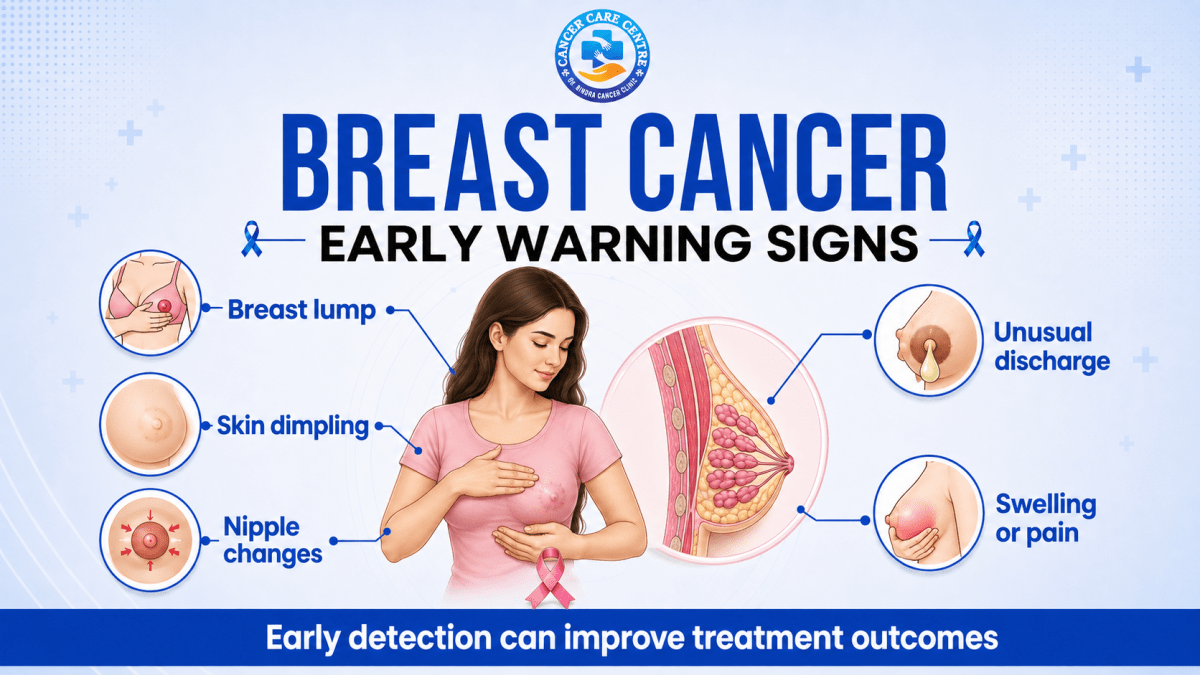
Possible breast changes that should be medically evaluated include:
- A new lump in the breast or underarm
- Change in breast size or shape
- Skin dimpling or thickening
- New nipple inversion
- Unexplained nipple discharge
- Persistent nipple or breast changes
- Swelling involving part or all of the breast
Many breast lumps are benign, but new or persistent breast changes should not be ignored.
How Is Breast Cancer Diagnosed?
Evaluation may involve:
- Clinical breast examination
- Mammography
- Breast ultrasound
- MRI in selected cases
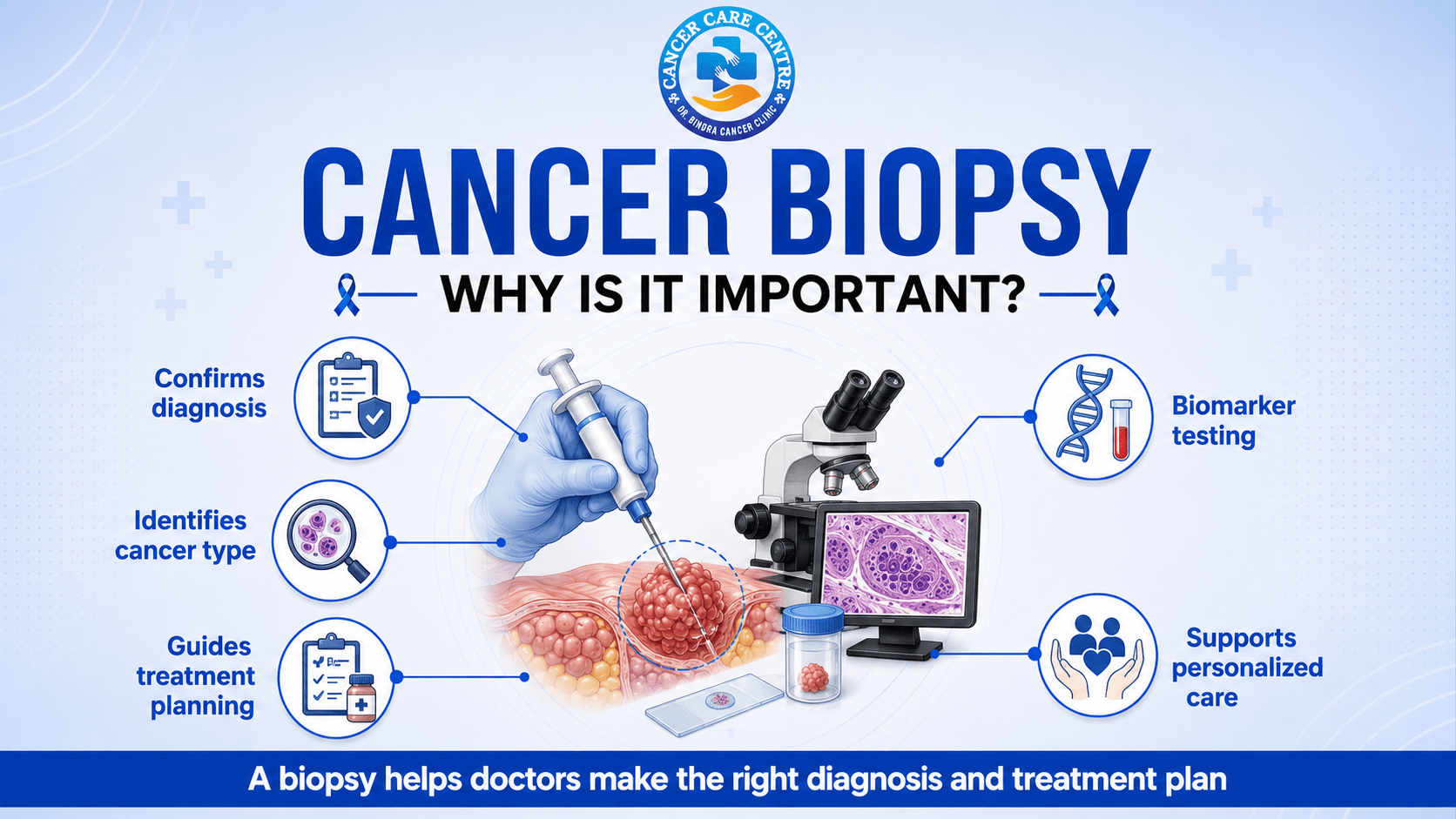
- Biopsy
A biopsy allows a pathologist to examine tissue and establish whether cancer is present.
Why Is the Pathology Report So Important?
A breast cancer pathology report provides important information about the biological characteristics of the tumour.
It may include:
- Histological type
- Tumour grade
- Estrogen receptor status
- Progesterone receptor status
- HER2 status
- Other biomarkers when required
What Are ER and PR in Breast Cancer?
ER stands for estrogen receptor and PR stands for progesterone receptor.
If breast cancer cells contain these hormone receptors, the tumour may depend partly on hormones for its growth. Hormonal or endocrine treatments may therefore be helpful.
What Is HER2-Positive Breast Cancer?
HER2 is a protein involved in cell growth.
Some breast cancers produce an excessive amount of HER2. These cancers may respond to medicines specifically designed to target HER2.
What Is Triple-Negative Breast Cancer?
Triple-negative breast cancer does not have significant estrogen receptors, progesterone receptors or HER2 expression.
Because these common treatment targets are absent, treatment strategies differ from those used for hormone-receptor-positive or HER2-positive breast cancers.
How Is Breast Cancer Staged?
Breast cancer staging considers several factors, including:
- Size of the breast tumour
- Involvement of nearby lymph nodes
- Whether cancer has spread to distant organs
- Certain biological characteristics of the tumour
What Are the Main Treatment Options?
Breast-Conserving Surgery
Breast-conserving surgery removes the tumour along with a margin of healthy surrounding tissue while preserving most of the breast.
Mastectomy
Mastectomy involves removal of the breast and may be recommended in certain situations.
Radiation Therapy
Radiation is commonly recommended after breast-conserving surgery and may also be required after mastectomy in selected patients.
Chemotherapy
Chemotherapy may be given before or after surgery depending on the stage and biology of the cancer.
Hormone Therapy
Hormone therapy can be effective for hormone-receptor-positive breast cancer.
HER2-Targeted Treatment
HER2-positive tumours may respond to medicines specifically directed against HER2.
Immunotherapy and Other Targeted Treatments
Selected patients may benefit from immunotherapy or other targeted treatments depending on tumour subtype and biomarkers.
Is Mastectomy Always Better Than Breast-Conserving Surgery?
No. Removing more breast tissue does not automatically mean better cancer control.
For appropriately selected patients, breast-conserving surgery combined with other indicated treatments is an established treatment strategy.
When Is Genetic Testing Considered?
Genetic counselling and testing may be recommended when there is concern about an inherited cancer predisposition.
Factors may include:
- Young age at diagnosis
- Strong family history
- Multiple relatives with breast or ovarian cancer
- Certain tumour subtypes
- Cancer affecting both breasts
Conclusion
Breast cancer is not one single disease. Stage, pathology, hormone receptors, HER2 status, other biomarkers and the patient’s overall health all contribute to treatment planning.
Patients should therefore discuss their complete pathology report with their cancer specialist rather than focusing only on tumour size.
This article is intended for educational purposes and does not replace personalised medical consultation.