Can Your Heavy And Painful Periods Be The Cause Of Adenomyosis?
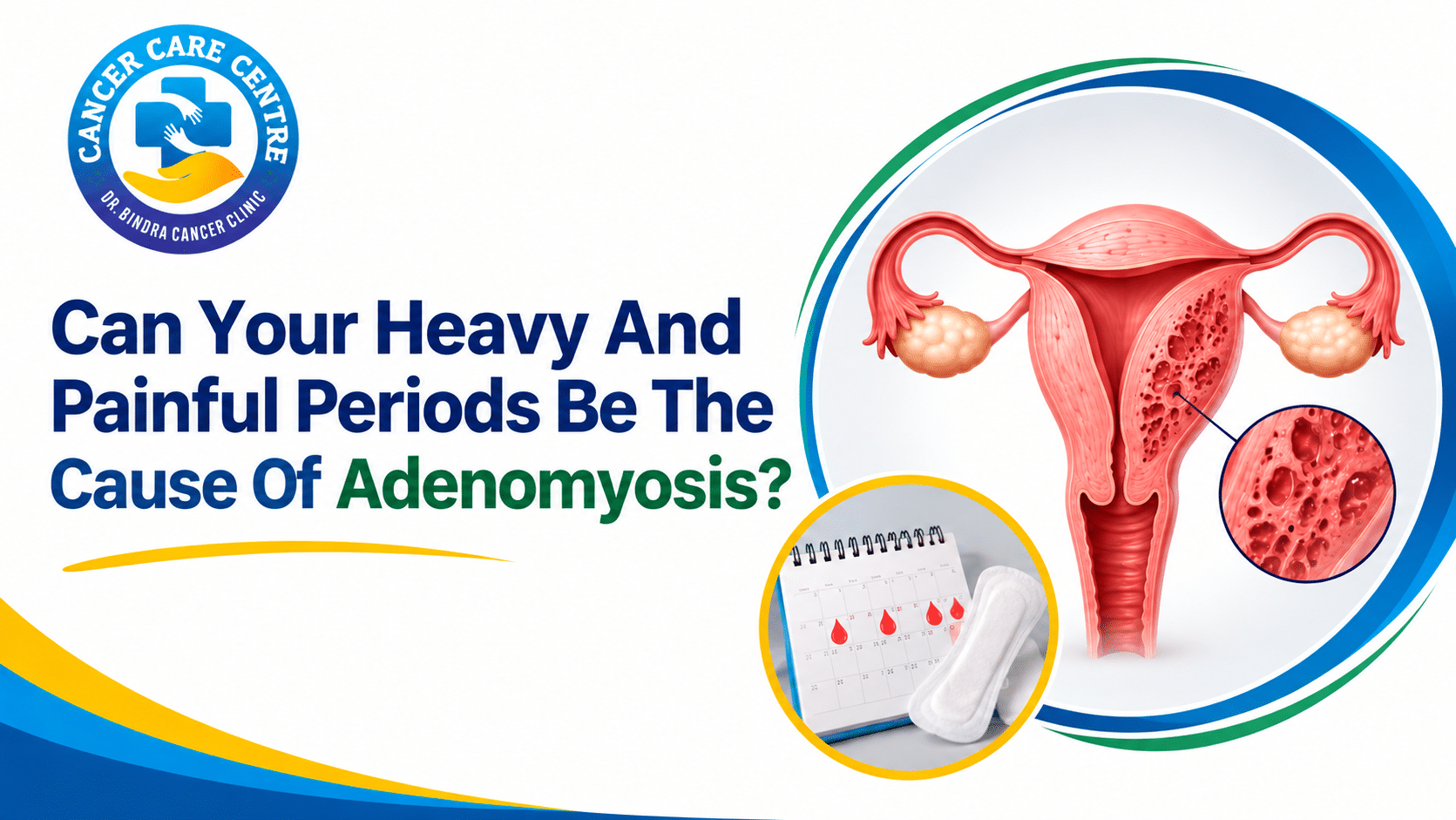
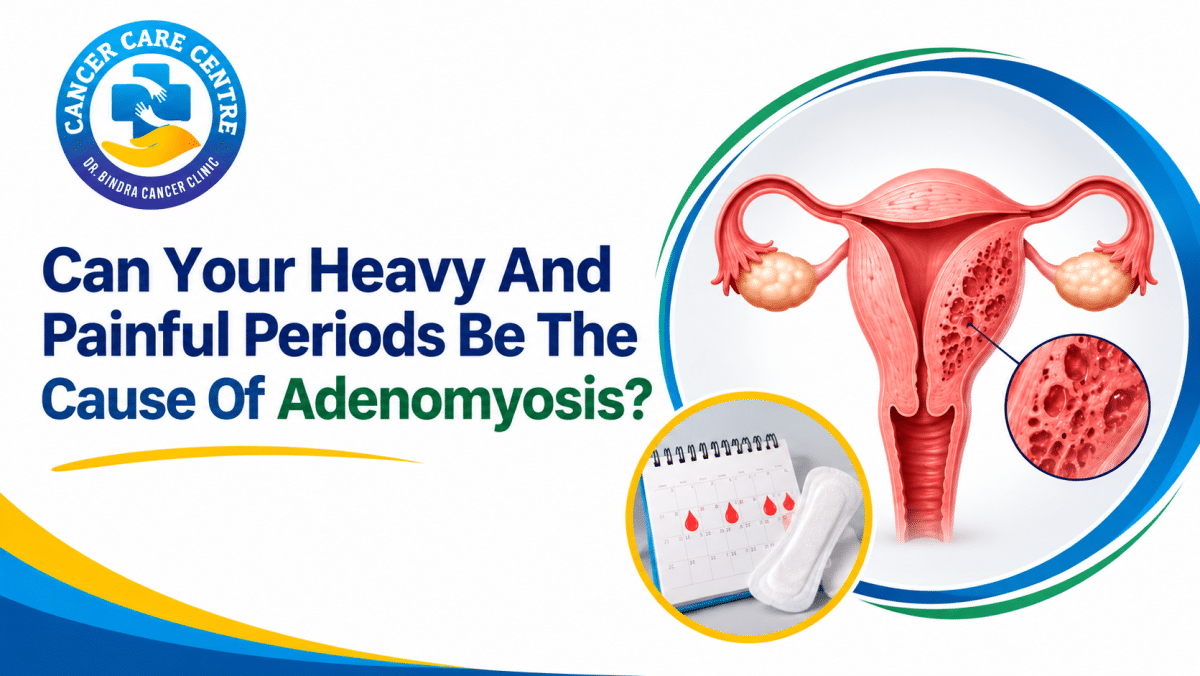
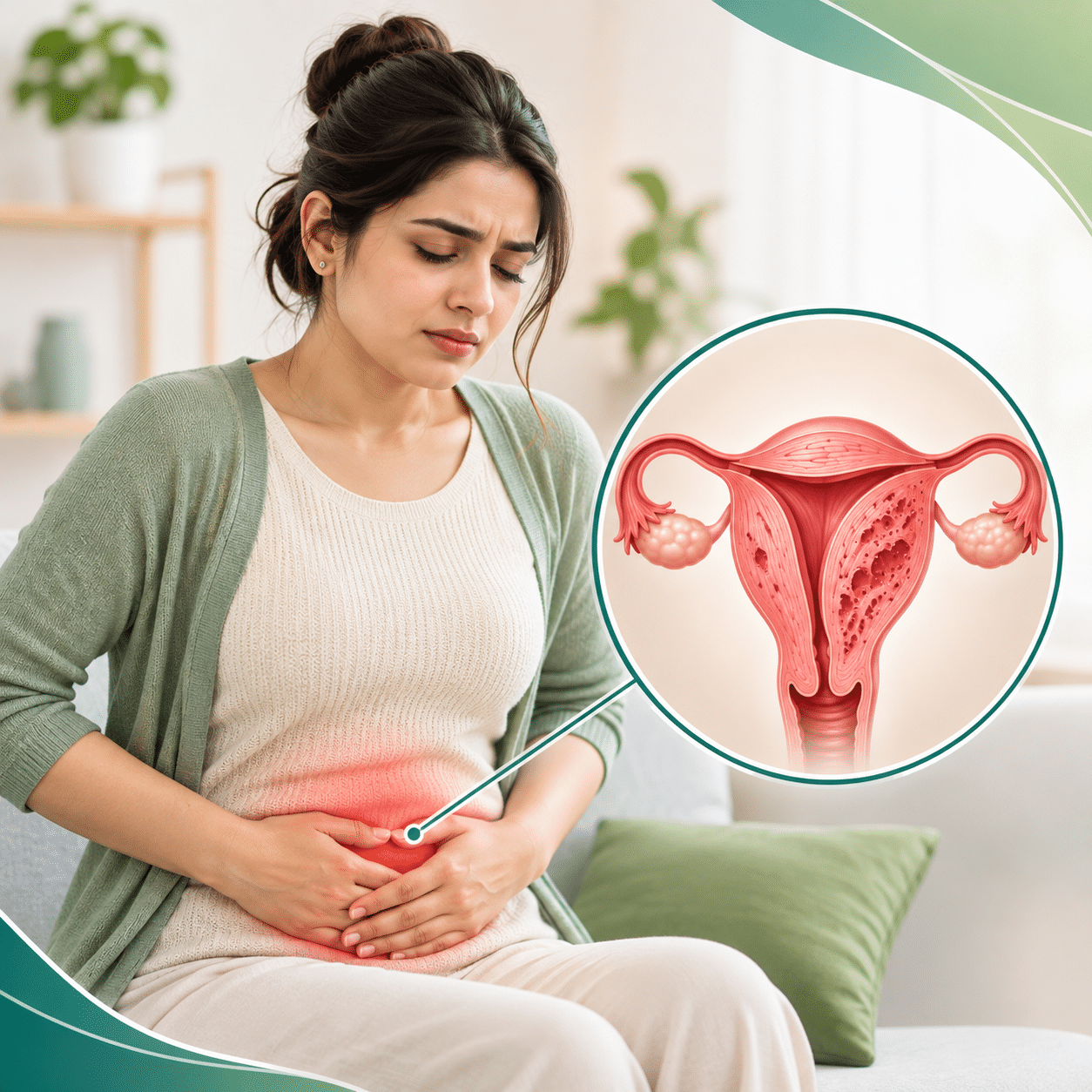
Every month, the misplaced tissue responds to hormonal changes just as normal lining does, it gets thick, breaks down and bleeds. But it is trapped in a muscle wall, it has nowhere to go. This leads to swelling, inflammation and a bulky, enlarged uterus.
This can be diffuse, affecting a large area of the uterine wall, forming a mass called adenomyoma. Both can cause significant symptoms, though the severity and pattern can vary from one woman to another. Some women have adenomyosis visible on imaging but with mild symptoms, while others have localised disease that can cause pain.
Difference between adenomyosis and endometriosis
This is the important question to make the difference, both conditions involve tissue growth, but the location is different:
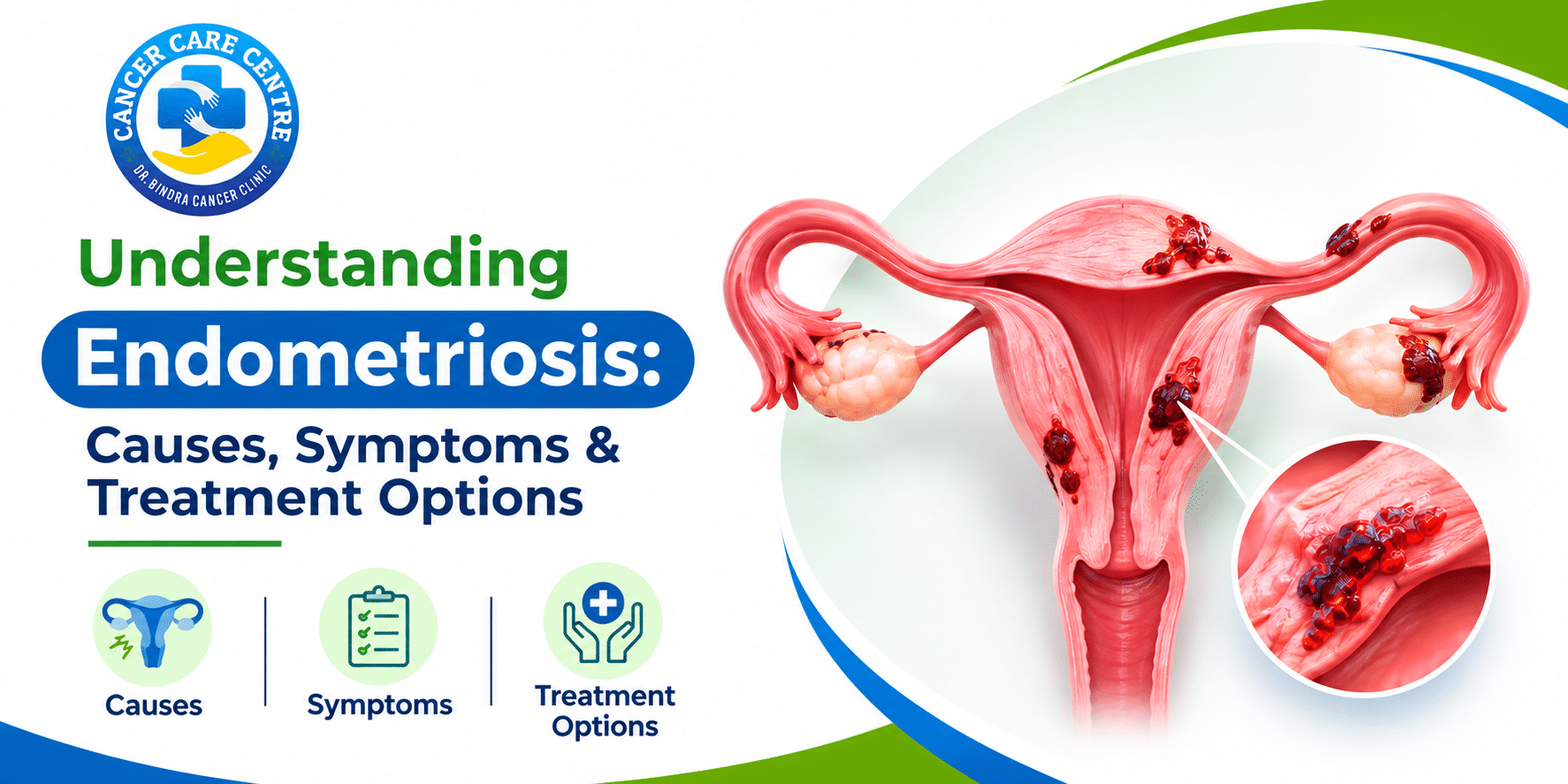
In endometriosis, the tissue grows outside the uterus, on the fallopian tubes, ovaries, bladder, bowel and other pelvic structures; and, as mentioned above, in adenomyosis, tissue grows inside the uterus wall.
The two conditions can coexist. According to research, 40 to 50 percent of women with endometriosis also have adenomyosis. That’s why it’s important to evaluate both when a woman has a heavy period or pelvic pain. Both conditions can share the same symptoms, but adenomyosis causes heavy periods and bleeding, and endometriosis can be associated with deep pelvic pain. 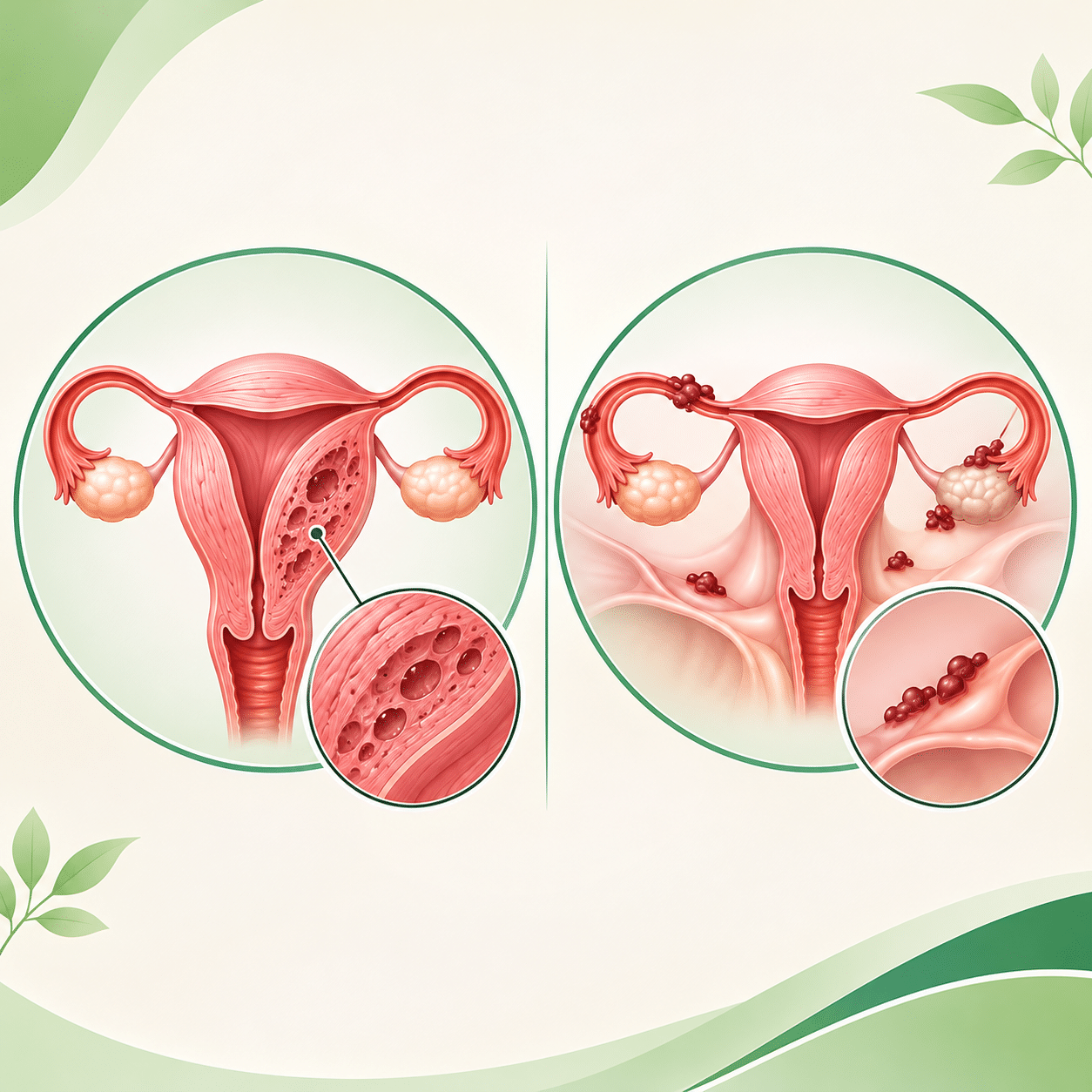
What adenomyosis feels like
The symptoms of adenomyosis can be mild to severe. Common symptoms that patients may feel include:
- Heavy menstrual bleeding
Periods that are heavy, prolonged or require frequent changing of pads. Many women experience passing large clots, flooding or needing to double up on protection.
- Painful periods
Cramping that can start before and after periods and can be intense. This pain may not respond well to painkillers.
- Chronic pelvic pain
A dull, persistent pressure in the lower abdomen and aching may be present throughout the cycle, not only during menstruation.
Many women consider their heavy periods normal or manageable with a high dose of painkillers. If this sounds familiar, then it is suggested to seek the opinion of specialists.
How can adenomyosis be diagnosed?
This condition can be confirmed by specialists examining the uterus after hysterectomy. This means that for many years, it was considered the diagnosis for women aged 40. But the advancement of technology has changed imaging:
- Transvaginal ultrasound
When performed by an experienced operator, this can identify the features of adenomyosis with precision. This includes asymmetric thickening, heterogeneous appearance of the uterine wall, myometrial cysts and the shape of the uterus.
- MRI
This provides details about soft tissue and can be useful for mapping the degree of disease, which helps to differentiate between adenomyosis and fibroids, and plan an appropriate treatment. It is beneficial in complex cases or where the results of ultrasound are indeterminate.
The quality of diagnosis depends on the experience of the person performing the scan. A standard ultrasound can miss adenomyosis if the person is not trained and experienced to look for it. This is the main reason the evaluation by specialists is important.
Treatment options to manage adenomyosis
The good news is that various treatment options are available for adenomyosis, but the right approach depends on the severity of the disease, age and whether you want to preserve fertility or not. The specialists always work with the patient to develop a customized treatment plan.
Hormonal treatments
- Mirena coil
This is the first recommendation by specialists, as it releases progesterone in the uterus; this helps thin the lining and reduces both pain and bleeding. Most women experience improvement within 3 to 6 months.
- Contraceptive pills
Taking these pills continuously can inhibit ovulation and reduce the hormonal stimulation that drives the symptoms of adenomyosis.
- Progestogen treatment
The desogestrel pill, oral progestogens or injectable progestogens can help to manage pain and bleeding.
Non-hormonal treatments
- Anti-inflammatory painkillers
Ibuprofen and mefenamic acid can help with both bleeding and pain.
- Tranexamic acid
Reduces period blood loss and can only be taken during periods.
Can homeopathy help to manage adenomyosis?
Yes, homeopathy can help to manage adenomyosis, as homeopathy focuses on individualized treatment instead of standardised medical protocols. Homeopathy medicines that are used to manage symptoms like pelvic pain or heavy menstrual bleeding include:
- Trillium pendulum
- Conium maculatum
- Natrum muriaticum
Adenomyosis and fertility
This is an area of research, and many patients can be worried about it. The connection between adenomyosis and fertility is complex, it can change the way the uterus contracts, disturb implantation of embryos and create a less favourable environment in the uterine cavity. According to the study, women with adenomyosis have a lower implantation rate and a higher miscarriage rate, including in the context of IVF treatment. 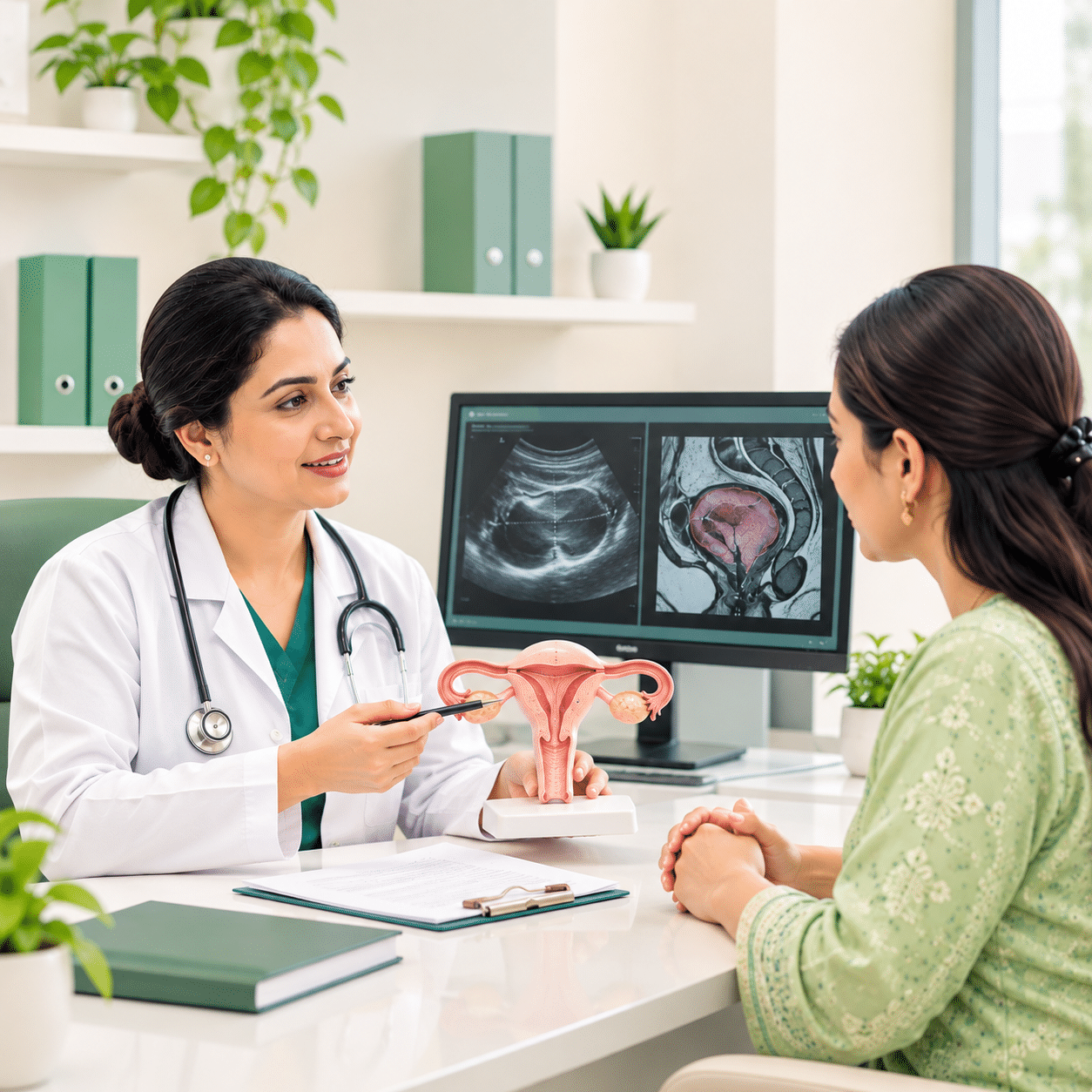
Conclusion
Dealing with the painful and heavy periods can be exhausting, but there is no need to suffer in silence. If adenomyosis is the major cause of symptoms, then obtaining an accurate diagnosis from the specialist Dr. Manpreet Singh Bindra is the first step to restoring quality of life. With the help of hormonal therapies, lifestyle adjustments and homeopathic remedies, management options are available to get relief. Pay attention to your body, track symptoms and schedule a consultation with specialists at Dr. Bindra Cancer Clinic, which provides homeopathic treatment for adenomyosis.
Case study:
One of our patients, Richa Kapoor, visited Diagnostic Findings Focus Scan & X-ray Centre for an ultrasound of the lower abdomen, and the ultrasound results show that the uterus is normal in size and shows a subtle, unclear, and indefinite isoechoic SOL measuring approx. 30 × 24 mm in the anterior wall. In thickness, the endometrial stripe measures 5 mm. A small cyst measuring the app. 6*3 mm is diagnosed in the subendometrial region in the posterior wall. Before homoeopathic treatment, the patient had K/C/O adenomyosis, with heavy menstrual bleeding for the past few weeks. Allopathic gynaecologists advised uterus removal on an immediate basis because allopathy has no treatment for it. But homoeopathy helps to manage it. With homoeopathic treatment, patients recover from menstrual bleeding within 72 hours and from symptoms within 2 weeks. All lesions get dissolved after 3 months of treatment with homeopathy, and it saves the patient from unwanted surgery.
FAQ’s
How does the pain of adenomyosis feel?
The pain of adenomyosis feels like sharp, severe menstrual cramps, deep pelvic pressure and pain during intercourse.
What is the difference between adenomyosis and endometriosis?
The difference between the two conditions is that, in adenomyosis, tissue grows inside the uterus wall, and in endometriosis, tissue grows outside the uterus.
How can adenomyosis be diagnosed?
Adenomyosis can be diagnosed using a pelvic exam, transvaginal ultrasound or MRI.
Can adenomyosis cause painful and heavy periods?
Yes, adenomyosis can cause painful and heavy periods, which can be difficult to handle.