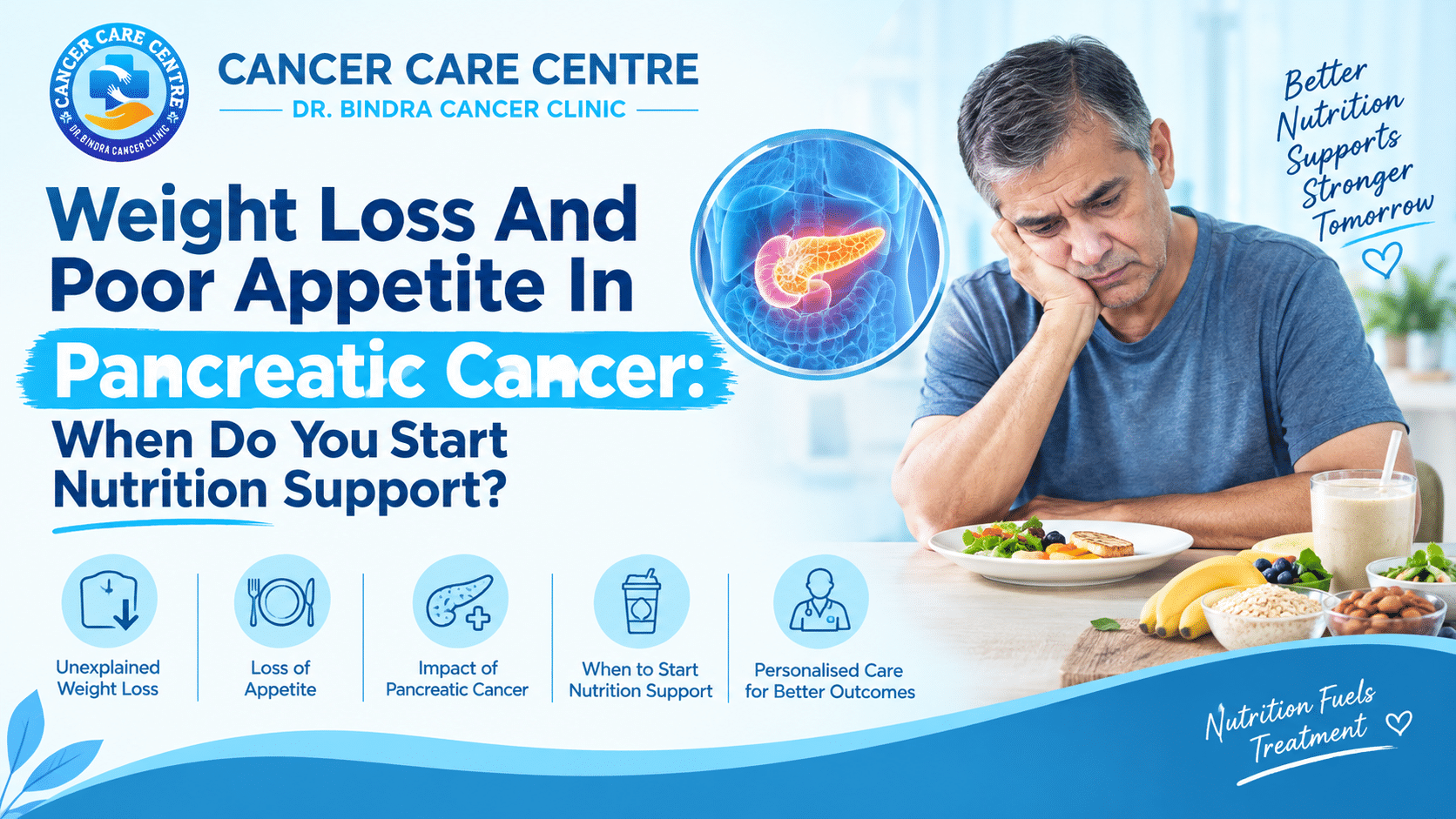
Weight Loss And Poor Appetite In Pancreatic Cancer: When Do You Start Nutrition Support?
It is common for people diagnosed with pancreatic cancer to find it difficult to maintain their weight and follow a regular, healthy diet. The pancreas is an organ located in the abdomen behind the stomach and is responsible for converting the food we eat into fuel for the body’s cells. Food may not digest properly if the pancreas is not functioning properly due to cancer, leading to weight loss and poor appetite.
The pancreas has two main functions: the first is exocrine, which helps in digestion of food, and the other is endocrine, which regulates blood sugar. Even if patients continue to eat and digest food normally, pancreatic cancer releases compounds into the bloodstream that break down muscles and fat, causing patients to lose weight and feel fatigue.
To maintain good nutrition and maximize your health, professional dietitians work closely with your health care team. They can assess your needs and make a diet plan that can best address cancer weight loss and poor appetite in Ludhiana, including supplementary insulin or pancreatic enzymes. An experienced dietitian can help you alter the consistency and fat content of your diet to protect from becoming malnutrition.
Cancer Weight Loss And Poor Appetite Guide
Pancreatic Cancer Diet Tips:
To treat pancreatic cancer, chemotherapy, radiation and surgery are the treatment options available. Pancreatic cancer makes it hard for the body to digest food and keep a healthy weight no matter what type of treatment you receive. Here are a few tips that can help to optimize nutrition during or after treatment.
Monitor And Maintain Healthy Weight
It is common to lose some weight after being diagnosed with pancreatic cancer and its treatment, but excessive weight loss and poor nutrition can affect the body’s ability to fight infection and tolerate treatment. To maintain a healthy body weight:
- Weigh yourself weekly
- Consult your health care provider or dietitian if you lose more than 1 kg a week, as they can tell you ways to increase calories and protein intake.
Stay Hydrated
To prevent dehydration, drink enough fluid during cancer treatment:
- Aim to drink 8 glasses of water per day
- To avoid being full at mealtime, drink a glass of water one hour before or after a meal.
- Choose beverages that contain calories and nutrients
- Avoid excess caffeine and alcohol, which may lead to dehydration.
- Eat Small, Frequent Meals
Frequent meals help to ensure your body has enough nutrients to tolerate treatment. It becomes difficult to eat because of medical treatments, so it is good to eat a few bites at a time. You can set an alarm to eat five to six meals in a day every three to four hours.
High Protein Foods With Every Meal
High protein foods help the body repair damaged cells and assist the immune system in recovering from illness. Lean protein foods are easy to digest, and you can add them to each meal and snacks.
- Baked, grilled or boiled lean foods such as chicken and fish
- Eggs
- Peanuts, almond and cashew
- You can take low-fat dairy such as milk, yoghurt and cheese
- Beans
- soy products
- Protein bars
Consider Liquid Supplements Or Shakes
As a side effect of treatment, sometimes food becomes less digestible and difficult to eat, whereas liquid products are easy to digest and can often be better tolerated; make sure these supplements are protein-rich.
Food that can help to increase your calorie intake includes:
- Protein drinks
- Bone broth to add to soup broth
- Shakes that are made from yoghurt or high-protein milk
- Pureed soups
- Smoothies
Choose Foods That Are Easy To Digest
Pancreatic cancer treatment side effects can impact digestion; chopped, boiled or soft foods are easier for the body to digest. You should avoid meals such as red meat, pork or raw vegetables, especially when digestion is a challenge.
- Choose Necessary Whole Grain Food
Whole grains are a good source of energy for the body, and this food provides complex carbohydrates and fiber.
- Oatmeal
- Whole grain bread
- Brown rice
- Whole grain pasta
- Corn
- Farro
Eat Colourful Foods
All the colourful fruits and vegetables are high in antioxidants that can help fight against cancer; eat at least five servings per day of fruits and vegetables.
Conclusion
Appetite loss or weight loss are common symptoms of cancer treatments; a person with cancer might lose their appetite and weight. But you are most likely to lose weight if you have lung, pancreas or neck cancer or cancer in the upper digestive system. Loss of appetite may often lead to weight loss, and weight loss occurs when your body burns more calories than you are taking in. You may have many questions about cancer, weight loss, and poor appetite, and questions about diet that can help to manage your nutrients in your body.
For this, your health care provider can suggest a diet plan to protect you from malnutrition. If you are struggling with poor appetite and weight loss due to pancreatic cancer, you can book an appointment with Dr. Bindra Cancer Clinic. Dr. Manpreet Singh Bindra has more than 16 years of experience and has treated more than 25 thousands of cancer patients from 28+ countries in the world.
FAQ
What are the symptoms of pancreatic cancer?
There are no known symptoms of early-stage pancreatic cancer, but if you notice excessive weight loss, jaundice and stomach pain, then you should see your primary care doctor.
What tests are available to detect pancreatic cancer?
There is no simple test available to detect pancreatic cancer, but in most cases, cancer is found when symptoms develop, or CT or MRI is done for other reasons.
Why is pancreatic cancer found in later stages in most cases?
Usually, it does not cause any symptoms, and fifty percent of cases are not identified until it has spread to other parts of the body.
Is it possible to have full recovery from pancreatic cancer?
Yes. It is possible to have full recovery from pancreatic cancer.