

One of the toughest battles is fighting cancer, resulting in physical and mental weakness. Approaching cancer treatment means undergoing different treatment options, or new injections and medications, sometimes to eliminate…

A cancer diagnosis makes it difficult for the patient and family to make a decision regarding the proper treatment. Seeking a second opinion for cancer treatment is normal; it is…
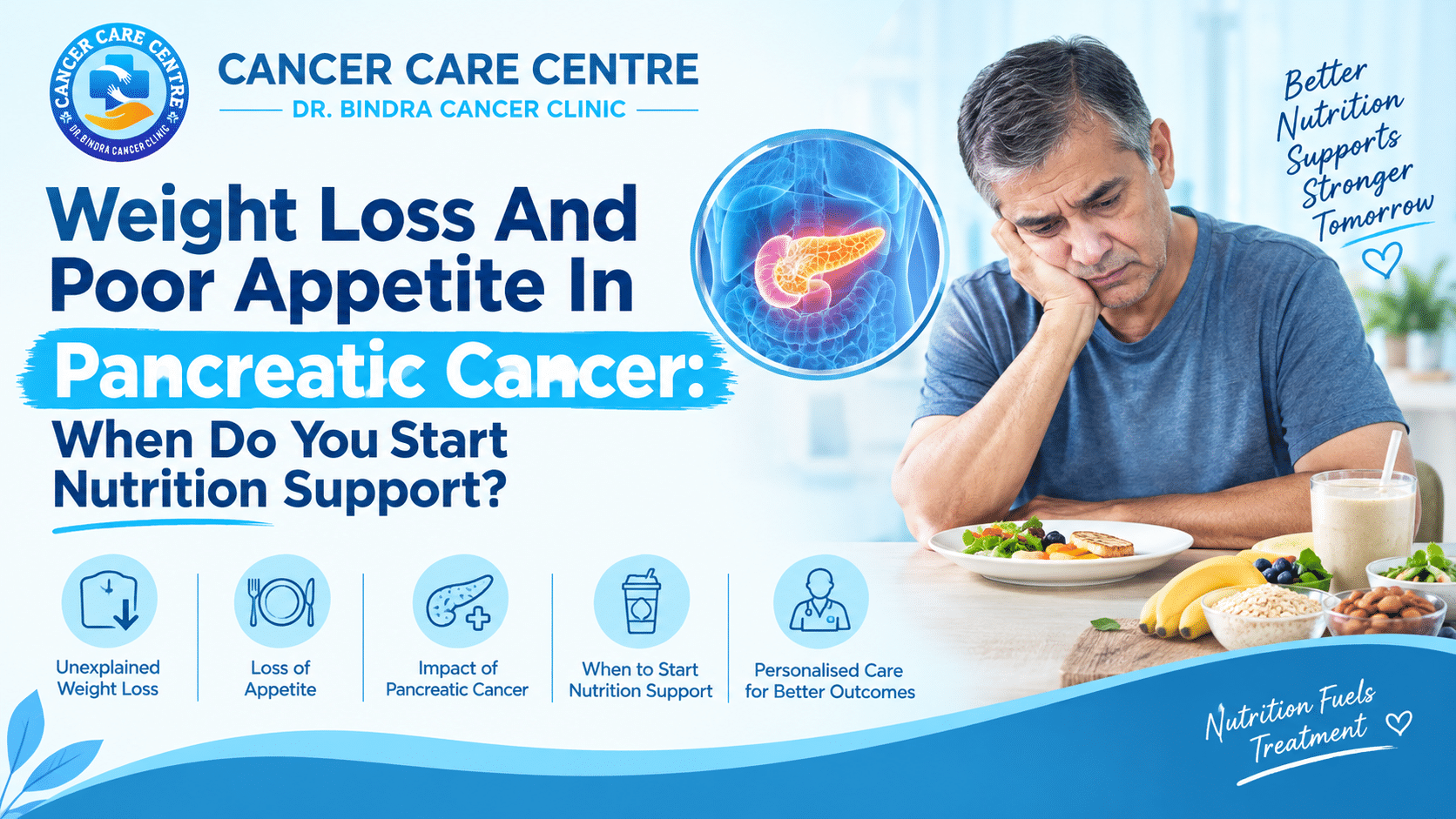
It is common for people diagnosed with pancreatic cancer to find it difficult to maintain their weight and follow a regular, healthy diet. The pancreas is an organ located in…

Finishing cancer treatment can bring a sense of relief and a lot of questions. People may have many cancer survivorship follow-up questions, such as: What occurs after treatment? How often…
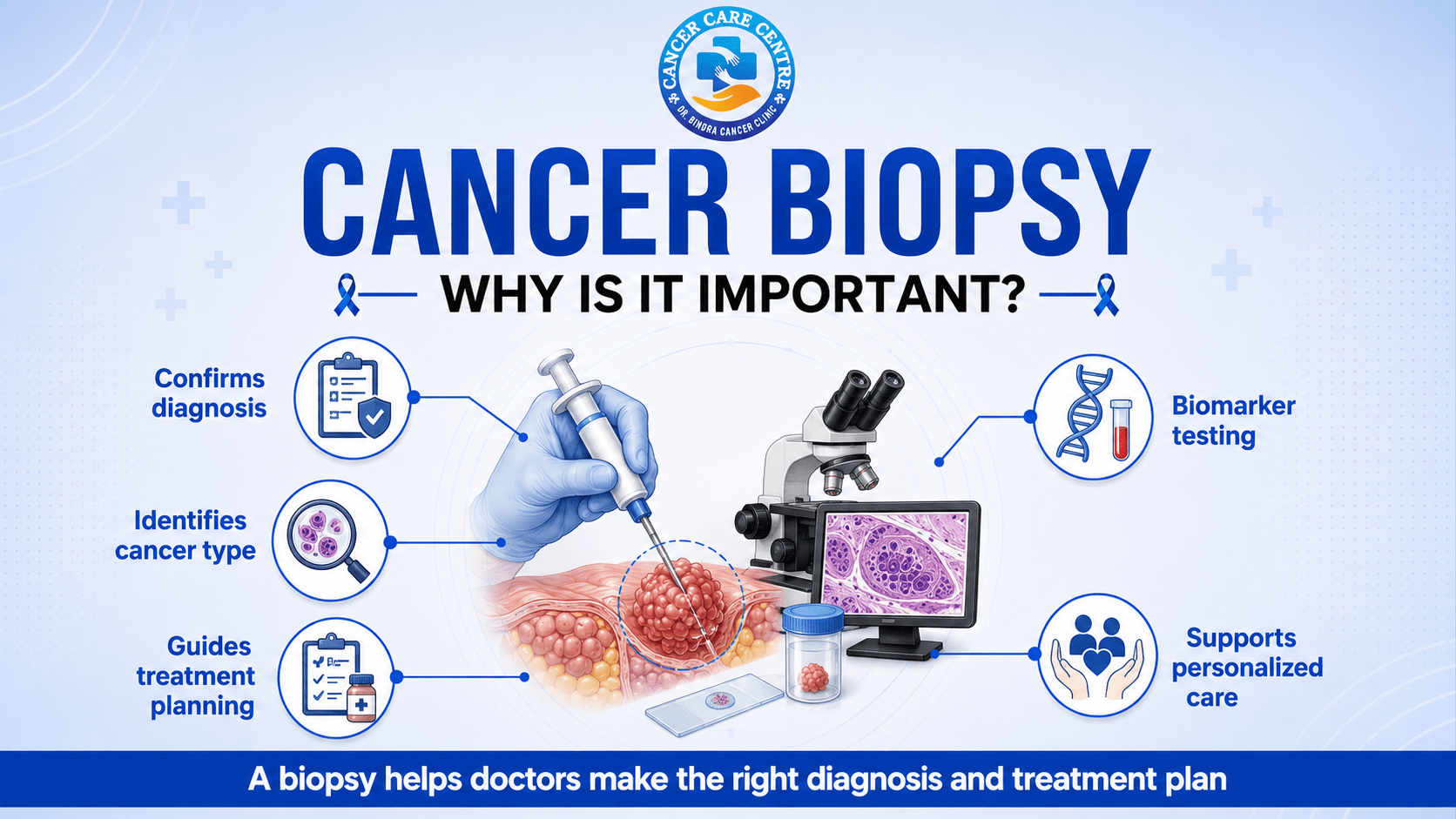
When a scan shows a suspicious lump or abnormality, many patients ask an important question: “If doctors can already see the tumour on CT, MRI or PET scan, why is…
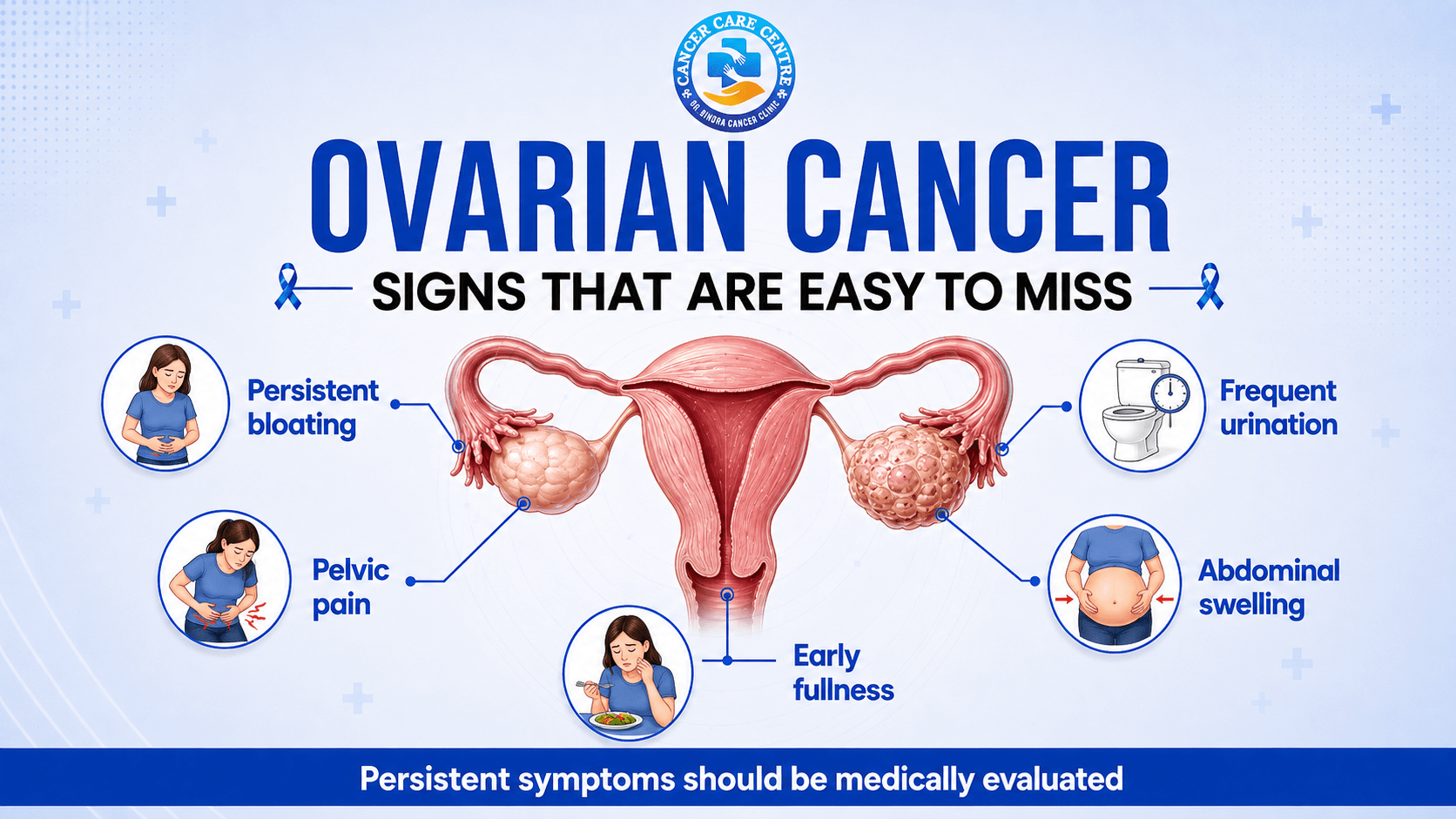
Ovarian cancer develops when abnormal cells involving the ovary begin growing uncontrollably. The disease can sometimes be difficult to recognise early because initial symptoms may resemble common digestive or urinary…
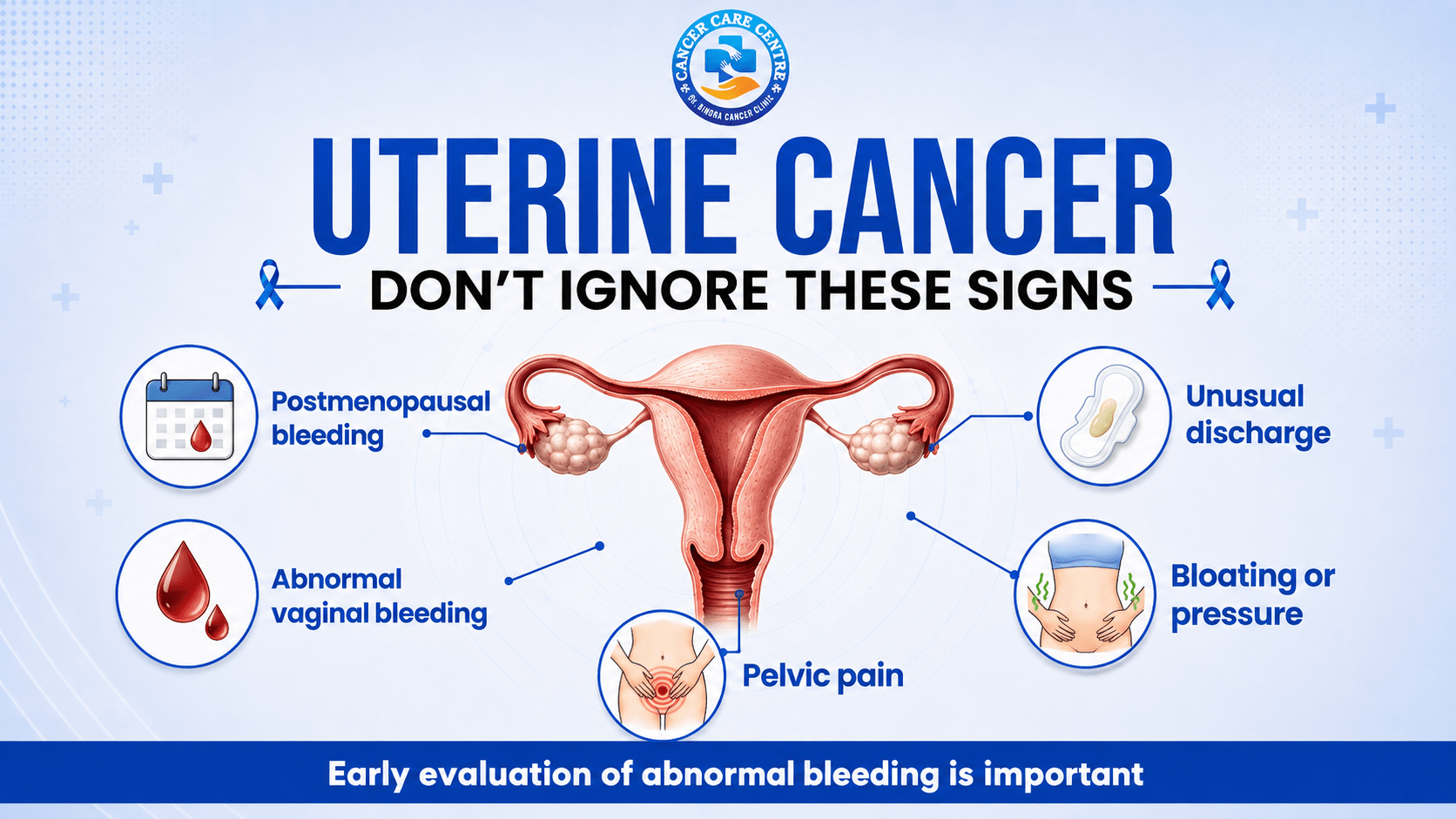
Uterine cancer develops in tissues of the uterus. The most common form is endometrial cancer, which begins in the inner lining of the uterus called the endometrium. Another less common…
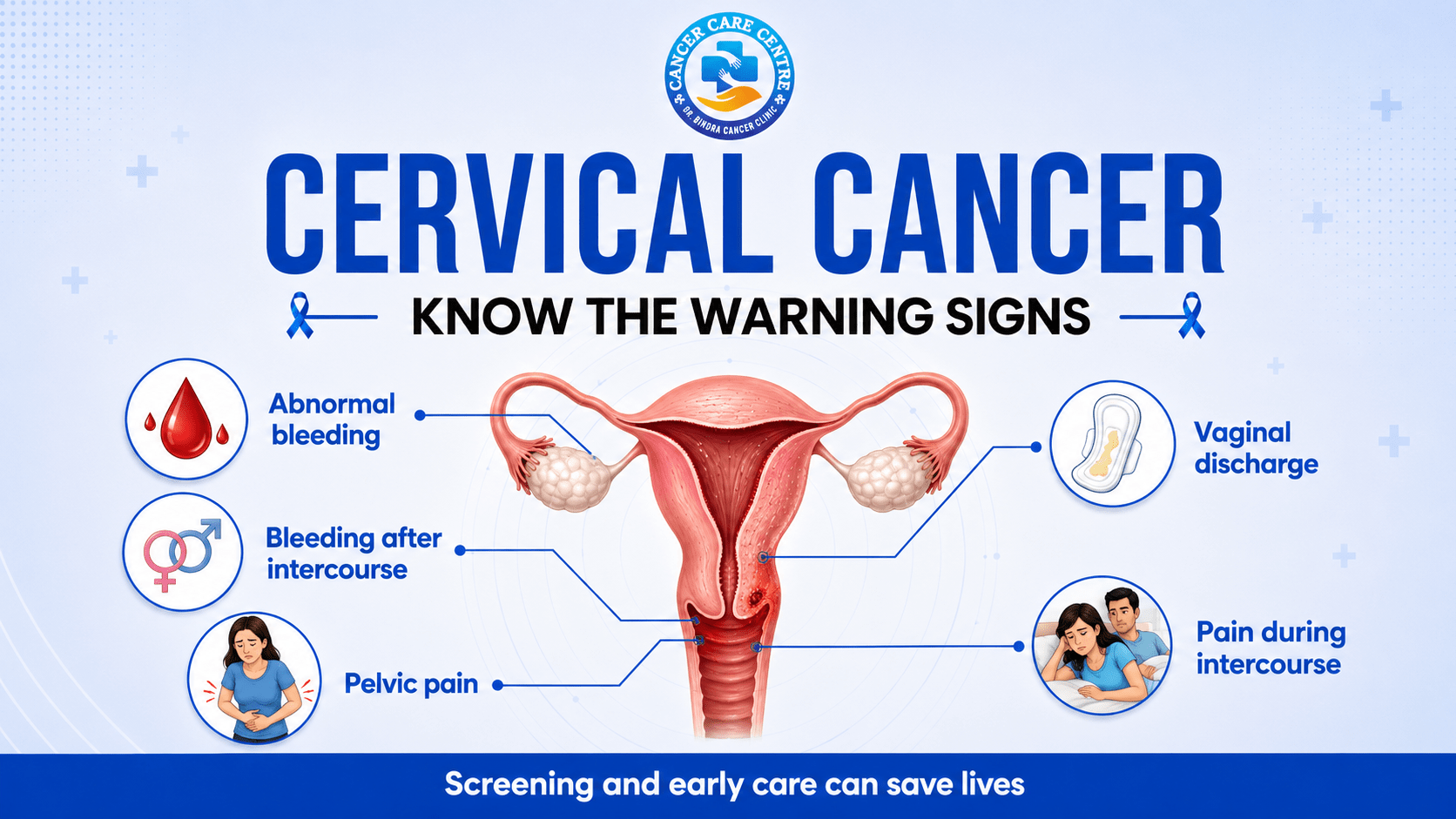
Cervical cancer develops in the cells of the cervix, the lower part of the uterus that connects to the vagina. One of the most important facts about cervical cancer is…
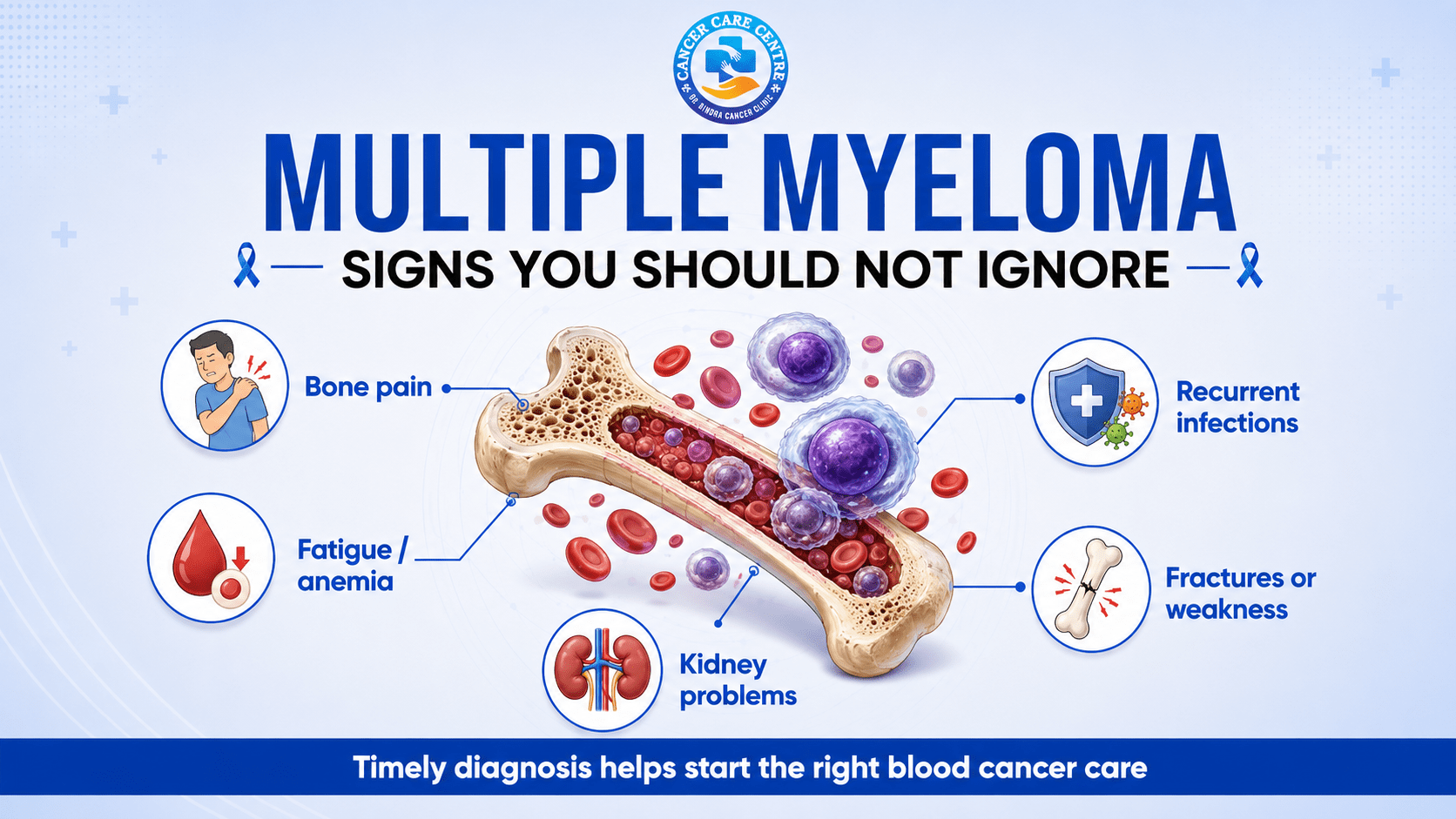
Multiple myeloma is a type of blood cancer that develops from plasma cells in the bone marrow. Because the disease can affect bones, kidneys, blood counts and the immune system,…
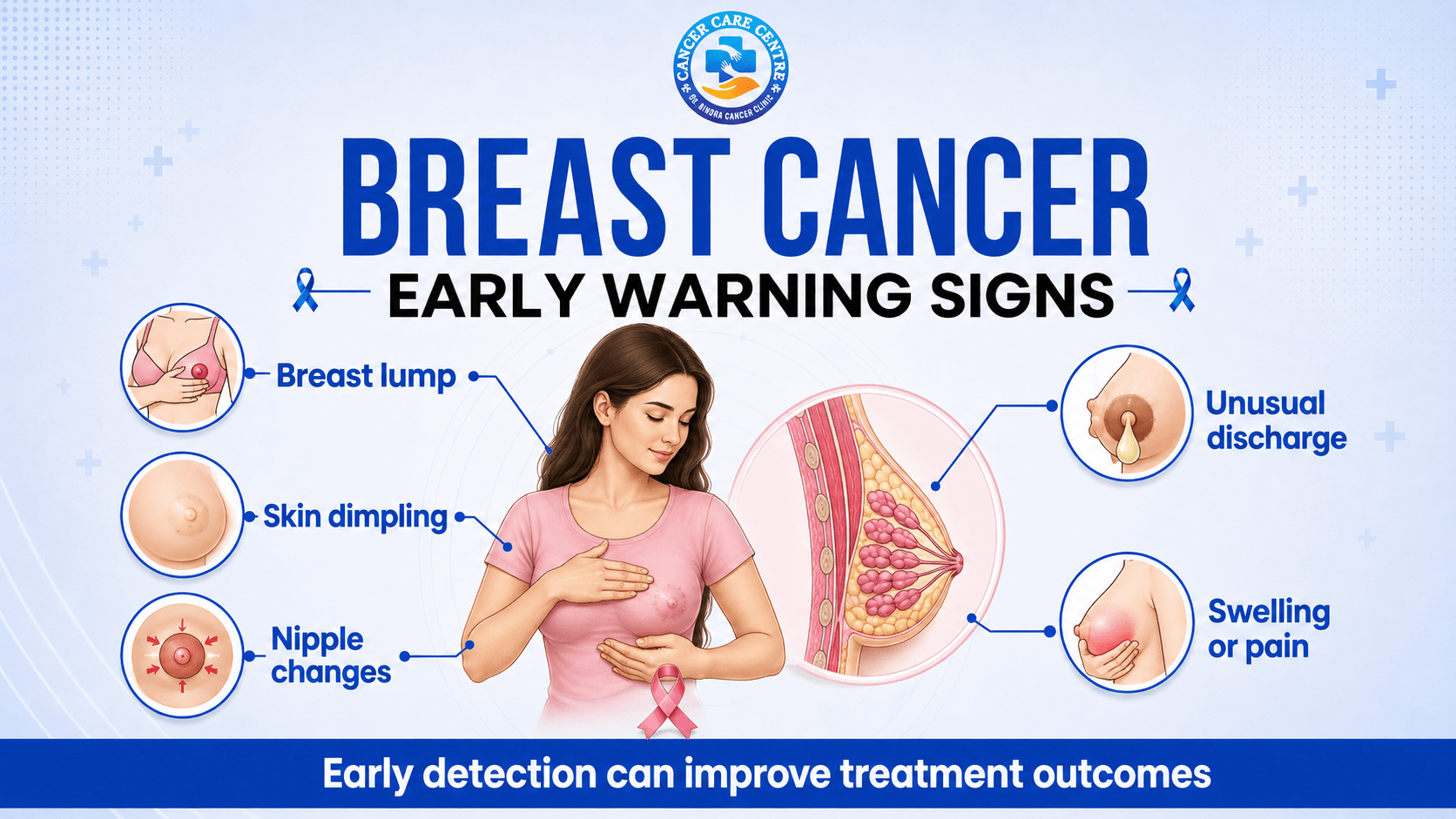
Breast cancer develops when abnormal cells in breast tissue begin growing uncontrollably. Although the term “breast cancer” sounds like one diagnosis, there are several different biological types of breast cancer.…