
Cervical Cancer: Symptoms, HPV, Screening and Treatment
Cervical cancer develops in the cells of the cervix, the lower part of the uterus that connects to the vagina.
One of the most important facts about cervical cancer is that most cases are associated with persistent infection by certain high-risk types of Human Papillomavirus, commonly called HPV.
What Causes Cervical Cancer?
Persistent infection with high-risk HPV types is the main cause of cervical cancer.
HPV is extremely common, and most infections disappear naturally without causing cancer. The main concern arises when a high-risk HPV infection persists for many years and causes abnormal changes in cervical cells.
What Are Precancerous Cervical Changes?
Before invasive cervical cancer develops, abnormal cells may develop on the surface of the cervix.
These precancerous changes can often be detected through cervical screening and treated before they progress into invasive cancer.
What Are the Symptoms of Cervical Cancer?
Early cervical cancer may cause no symptoms.
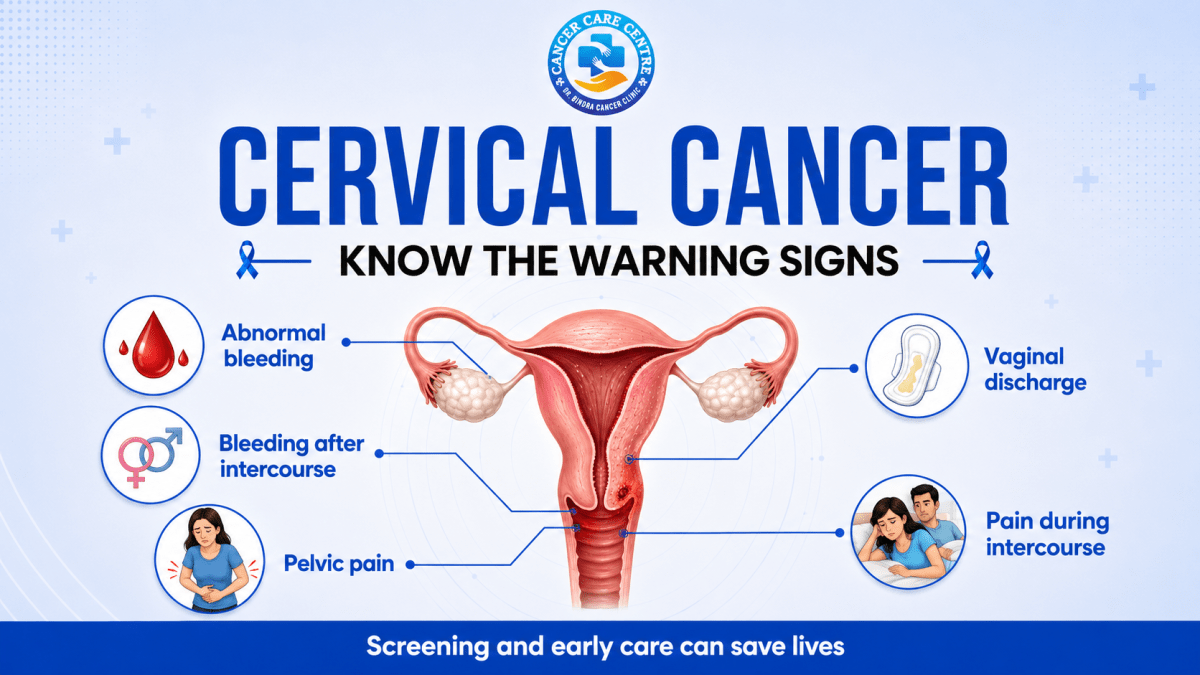
Possible warning signs include:
- Bleeding after sexual intercourse
- Bleeding between menstrual periods
- Bleeding after menopause
- Unusual vaginal discharge
- Pelvic pain
- Pain during sexual intercourse
What Is the Difference Between a Pap Test and HPV Test?
Pap Test
A Pap test examines cervical cells to look for abnormal cellular changes.
HPV Test
An HPV test looks for infection with high-risk HPV types associated with cervical cancer.
The recommended screening method and interval depend on factors such as age, previous results and local medical guidelines.
Does an Abnormal Pap Test Mean Cancer?
No. An abnormal screening result does not automatically mean that cervical cancer is present.
Many abnormal results are related to precancerous cellular changes or HPV infection that can be monitored or treated before cancer develops.
How Is Cervical Cancer Diagnosed?
If screening or symptoms raise concern, additional evaluation may include:
- Pelvic examination
- Colposcopy
- Cervical biopsy
- Imaging tests after cancer has been confirmed
How Is Cervical Cancer Treated?
Treatment depends mainly on the stage of the disease.
Early-Stage Cervical Cancer
Very early cancers may sometimes be treated with limited procedures, while other early-stage cancers may require surgery.
Locally Advanced Cervical Cancer
A combination of radiation therapy and chemotherapy is commonly used for locally advanced cervical cancer.
Brachytherapy, in which radiation is delivered close to the tumour, is also an important part of treatment for many patients.
Advanced or Recurrent Cervical Cancer
Treatment may involve chemotherapy, targeted therapies, immunotherapy, radiation or combinations of these treatments.
Can Cervical Cancer Be Prevented?
The risk of cervical cancer can be significantly reduced through:
- HPV vaccination
- Regular cervical screening according to recommended guidelines
- Appropriate follow-up of abnormal screening results
- Treatment of precancerous changes
- Avoiding tobacco exposure
Does HPV Infection Mean Someone Has Cancer?
No. HPV infection is common and does not mean that a person has cervical cancer.
Most HPV infections disappear naturally. Persistent infection with certain high-risk types is the main concern.
Conclusion
Cervical cancer is one of the cancers where prevention and early detection can make a major difference.
HPV vaccination, appropriate screening and timely evaluation of abnormal bleeding can help identify problems before they progress.
This article is intended for general educational purposes and does not replace personalised medical advice.