Liver Cancer: Symptoms, Diagnosis and Treatment Options
Liver cancer is a serious condition in which abnormal cells develop within the liver. The most common type of primary liver cancer in adults is hepatocellular carcinoma, commonly abbreviated as HCC.
One feature that makes liver cancer different from several other cancers is that doctors often need to consider both the cancer itself and the health of the remaining liver.
What Is Primary Liver Cancer?
Primary liver cancer begins in the liver itself.
This is different from metastatic liver disease, where cancer begins in another organ such as the colon, breast or lung and later spreads to the liver.
Who Is at Increased Risk of Liver Cancer?
Several conditions can increase the risk of hepatocellular carcinoma.
Important risk factors include:
- Liver cirrhosis
- Chronic hepatitis B infection
- Chronic hepatitis C infection
- Long-term alcohol-related liver damage
- Metabolic dysfunction-associated fatty liver disease
- Certain inherited liver disorders
What Are the Symptoms of Liver Cancer?
Early liver cancer may not cause obvious symptoms.
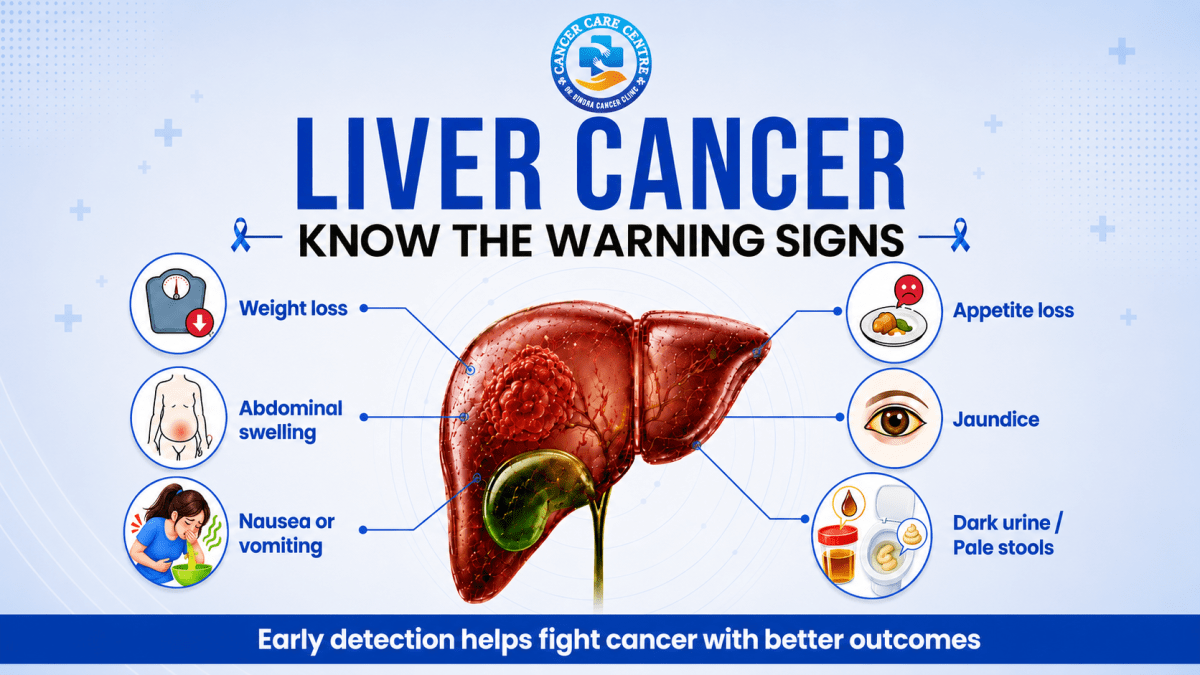
Possible symptoms include:
- Persistent discomfort in the upper abdomen
- Loss of appetite
- Feeling full quickly
- Unexplained weight loss
- Weakness or fatigue
- Abdominal swelling
- Yellowing of the skin or eyes
- Worsening liver function in a person with existing liver disease
How Is Liver Cancer Diagnosed?
Doctors may use several tests to investigate suspected liver cancer.
Blood Tests
Liver-function tests help evaluate how well the liver is functioning. Alpha-fetoprotein or AFP may also be assessed in selected patients.
Ultrasound
Liver ultrasound is commonly used to evaluate liver abnormalities and may also form part of surveillance in patients at increased risk.
CT Scan or MRI
Contrast-enhanced CT or MRI can provide detailed information regarding tumour size, location, number of lesions and involvement of nearby blood vessels.
Biopsy
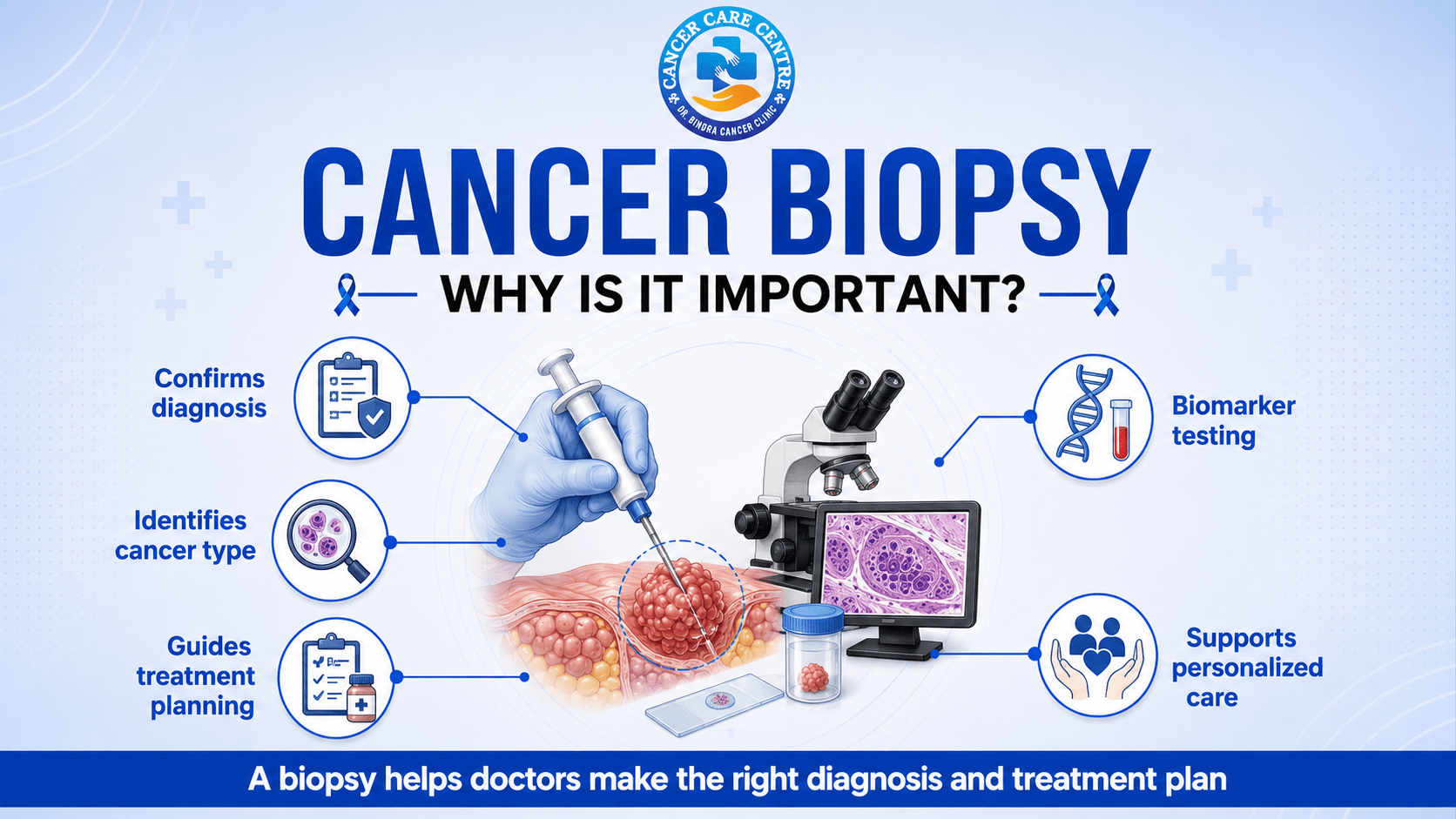
A biopsy may be required when imaging and clinical findings are not sufficient to establish the diagnosis confidently.
How Is Liver Cancer Treatment Decided?
Treatment depends on more than tumour size alone.
Doctors consider:
- Number and size of tumours
- Liver function
- Presence of cirrhosis
- Whether important blood vessels are involved
- Whether cancer has spread outside the liver
- The patient’s overall health
What Are the Treatment Options for Liver Cancer?
Surgery
Surgical removal of part of the liver may be considered when the cancer is localised and enough healthy liver can safely remain after surgery.
Liver Transplantation
Liver transplantation can be an option for carefully selected patients. It replaces the diseased liver and also removes the cancer within it.
Tumour Ablation
Ablation uses techniques such as heat to destroy cancer cells and can be suitable for selected smaller tumours.
Embolisation Procedures
Transarterial procedures target the blood supply of liver tumours and may be recommended in selected situations.
Radiation Therapy
Modern radiation techniques may be useful for carefully selected patients.
Targeted Therapy and Immunotherapy
Systemic medicines, including targeted treatments and immunotherapy, have become increasingly important for patients with advanced liver cancer.
Can Liver Cancer Risk Be Reduced?
Not every case can be prevented, but reducing chronic liver damage can lower risk.
Important measures include:
- Hepatitis B vaccination
- Appropriate treatment of hepatitis B or C
- Avoiding harmful alcohol consumption
- Maintaining a healthy body weight
- Managing diabetes and metabolic disease
- Regular medical follow-up for cirrhosis
Why Surveillance Is Important for High-Risk Patients
People with cirrhosis or certain forms of chronic hepatitis may be advised to undergo regular liver surveillance even when they have no symptoms.
The goal is to identify suspicious liver changes at an earlier stage, when more treatment options may be available.
Conclusion
Liver cancer treatment requires careful assessment of both the tumour and the patient’s underlying liver function.
Anyone diagnosed with liver cancer should ideally have their case evaluated by specialists experienced in liver disease, oncology, radiology and surgery so that the most appropriate treatment strategy can be planned.
This information is for patient education and is not a substitute for individual medical advice.